
SIP Feature
Sustainability: More Than a
Buzzword in Napa Valley
Buzzword in Napa Valley
WRITTEN BY Fran Miller
|
Published On: October 08, 2025


Photo above courtesy of Clif Family Winery & Farm
In Napa Valley, sustainability has evolved from a niche aspiration into a central ethos for many winemakers. It’s no longer about checking a box or following a trend. For a growing number of wineries, it’s a guiding principle that shapes every decision—from vineyard practices to packaging choices, and from community engagement to long-term stewardship of the land. It’s about keeping the valley’s beautiful landscape vibrant and productive for generations to come while producing wines that reflect not just terroir, but responsibility.
What Sustainability Means in Napa
Ask a Napa winemaker to define sustainability, and you’ll hear answers that go beyond environmental protection. The conversation often begins with soil and water, the raw materials of wine, but quickly extends to biodiversity, climate action, energy use, packaging, labor welfare, and community engagement. Here, sustainability is as much about social responsibility as it is about ecological stewardship. In practice, this means thinking in decades, not vintages. A sustainable approach considers the long-term health of the land, the people who work it, and the community it supports. It’s not just avoiding harm, but actively creating conditions where all can thrive.
One illustrative example comes from Clif Family Winery & Farm. Their CCOF-certified organic vineyards avoid synthetic pesticides and fertilizers, focusing instead on living ecosystems that support soil health, bees, and birds. Regenerative practices like pollinator habitats, cover cropping, and composting enrich the land while minimizing waste. Sustainability extends beyond the vineyard: lighter-weight glass, non-toxic inks, reusable kegs, and careful consideration of packaging reflect a commitment to reducing carbon emissions.
“Sustainability isn’t a department at Clif Family—it’s the backbone of the entire business,” says Linzi Gay, President of Clif Family Winery & Farm. “Every decision, whether it’s how we grow grapes or how we ship wine, reflects our values. We’re constantly asking: how can we do better for the planet, our community, and future generations? That mindset isn’t just good for the world; it makes us a stronger, more resilient company.”
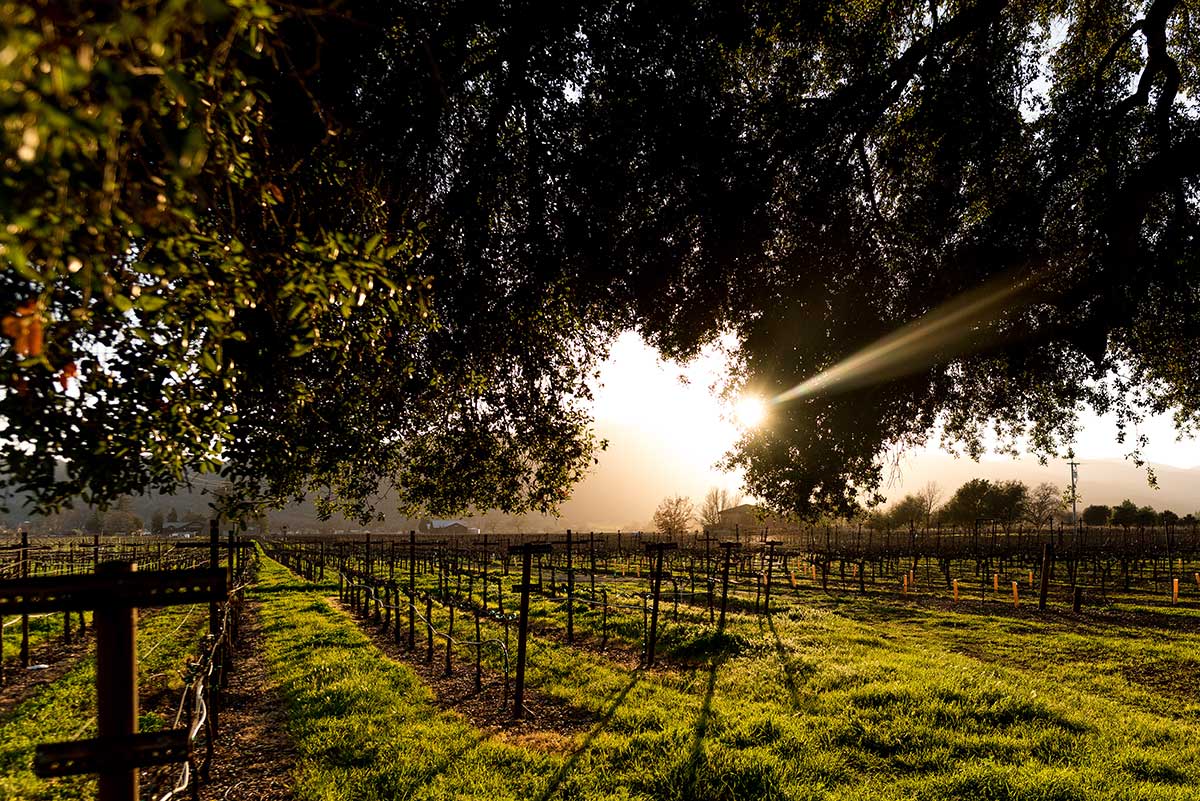
Photo courtesy of Sequoia Grove
In the Vineyard: Farming for the Future
The vineyard is the heart of any sustainability effort. Napa’s winemakers have increasingly embraced methods like organic and regenerative farming, which focus on building soil health rather than simply treating problems as they arise. Cover crops, from mustard to clover, help prevent erosion, fix nitrogen, and provide habitat for beneficial insects. Integrated Pest Management (IPM) minimizes chemical use by relying on natural predators and targeted interventions.
Many vineyards also maintain buffer zones of native plants to support pollinators and wildlife, a strategy that doubles as a defense against erosion during heavy rains. Drip irrigation systems and moisture sensors reduce water use—an increasingly urgent concern as drought cycles lengthen. On some estates, sheep graze between the vines, reducing the need for mowing and returning nutrients to the soil. These visible measures are just part of a larger system designed to keep the vineyard in balance with the surrounding ecosystem.
Sequoia Grove in Rutherford offers a compelling example of sustainability in action. Here, the presence of ancient redwoods is more than symbolic—it informs the winery’s long-term approach. The winery integrates sustainability throughout every aspect of its operations, from precision irrigation and soil-specific cover crops in the vineyards to energy-efficient lighting and cellar systems. Its Napa Green Winery & Vineyard certification underscores the winery’s commitment to climate action, water efficiency, soil health, and social equity. Sequoia Grove also runs on 100% renewable electricity by opting into MCE’s Deep Green program and participates in the 1% for the Planet initiative, donating a portion of revenue to environmental nonprofits including the Save the Redwoods League.
Inside the Winery: Efficiency and Innovation
Sustainability doesn’t stop at harvest. Once grapes reach the winery, resource management shifts to energy, water, and waste. Many Napa wineries have installed solar arrays, harnessing California’s abundant sunshine to power operations. Energy-efficient lighting and climate control systems reduce electricity use without compromising wine quality. Water recycling is another cornerstone. After cleaning equipment and barrels, wastewater can be treated and reused for irrigation. Some wineries capture and store rainwater for non-potable uses, easing the strain on municipal supplies.
Packaging choices also play a role. Lightweight bottles lower transportation emissions, while alternatives like recycled cardboard for cases and compostable tasting-room materials help reduce landfill waste. Even natural corks, sourced from endlessly regenerating cork bark in forests that are biodiversity hotspots, can be part of the sustainability story.
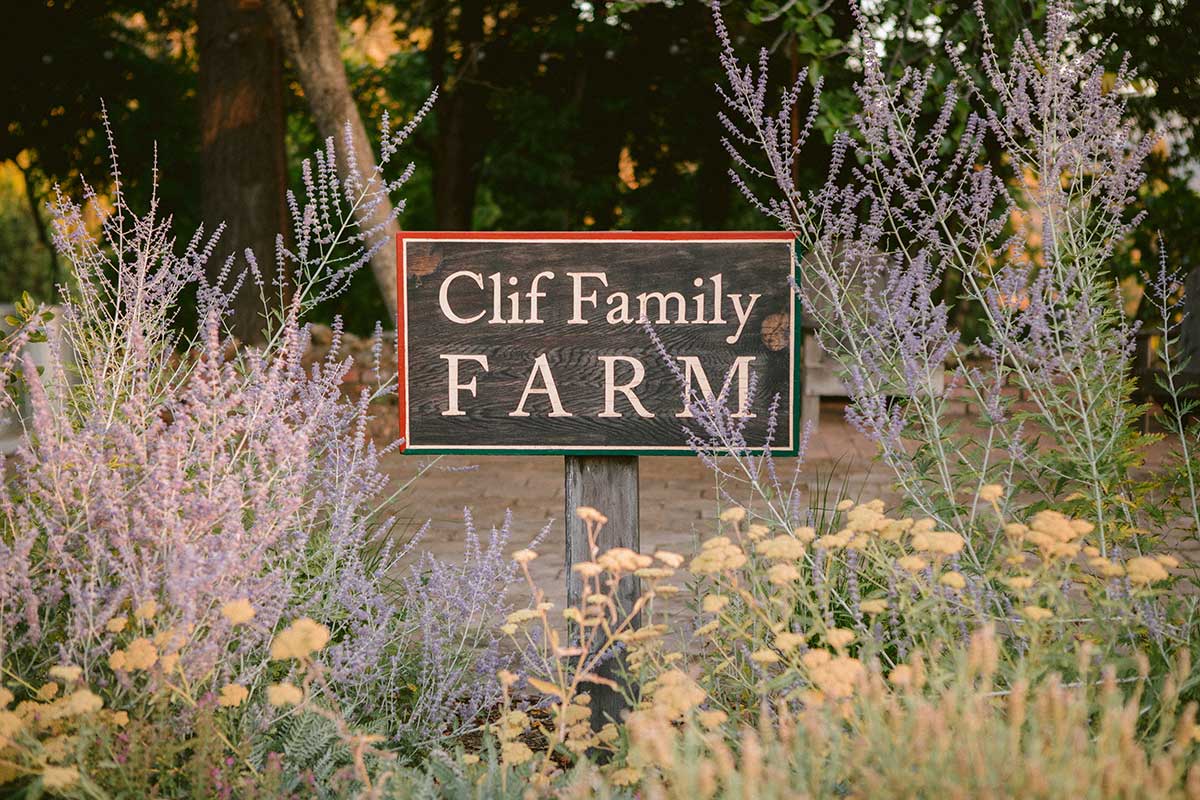
Photo courtesy of Clif Family Winery & Farm
Standards and Certifications
For consumers, winery claims of sustainability can be hard to verify without benchmarks. That’s where certifications come in. Napa Green, one of the valley’s most recognized programs, offers separate certifications for vineyard and winery operations, each requiring rigorous environmental and social responsibility standards. Other certifications include Fish Friendly Farming, which focuses on protecting waterways and riparian habitats, and the California Certified Sustainable Winegrowing program, which takes a statewide approach to resource stewardship. While these certifications are voluntary, they signal to buyers—and to the community—that a winery is committed to measurable, ongoing improvement.
“We know that we have to do more than sustain, we have to regenerate,” says Anna Brittain, Executive Director of Napa Green. “That’s why we redeveloped our Napa Green Vineyard certification to be the first sustainable winegrowing program focused on regenerative farming, climate action, and caring for people. It’s also why we’ve worked to set the highest standard for sustainability, taking a whole system approach across six pillars, including water, energy, supply chain, soil health and biodiversity, and social stewardship, all under the umbrella of climate action and regenerative agriculture.”
The Climate Change Imperative
If sustainability in Napa once felt like a choice, climate change has made it a necessity. Warmer summers can shift harvest dates and affect grape ripening patterns, while erratic weather brings the risk of heat spikes, heavy rains, and frost events. More troubling still are the increasing threats of wildfire and smoke taint, which have upended harvests and challenged winemaking in recent years. Sustainability measures can’t halt these changes, but they can help vineyards adapt. Healthy soils retain more water and better withstand drought. Biodiverse landscapes are more resilient to pests and disease. Energy efficiency and renewable power reduce greenhouse gas emissions. In short, sustainability strengthens the system’s ability to withstand shocks.
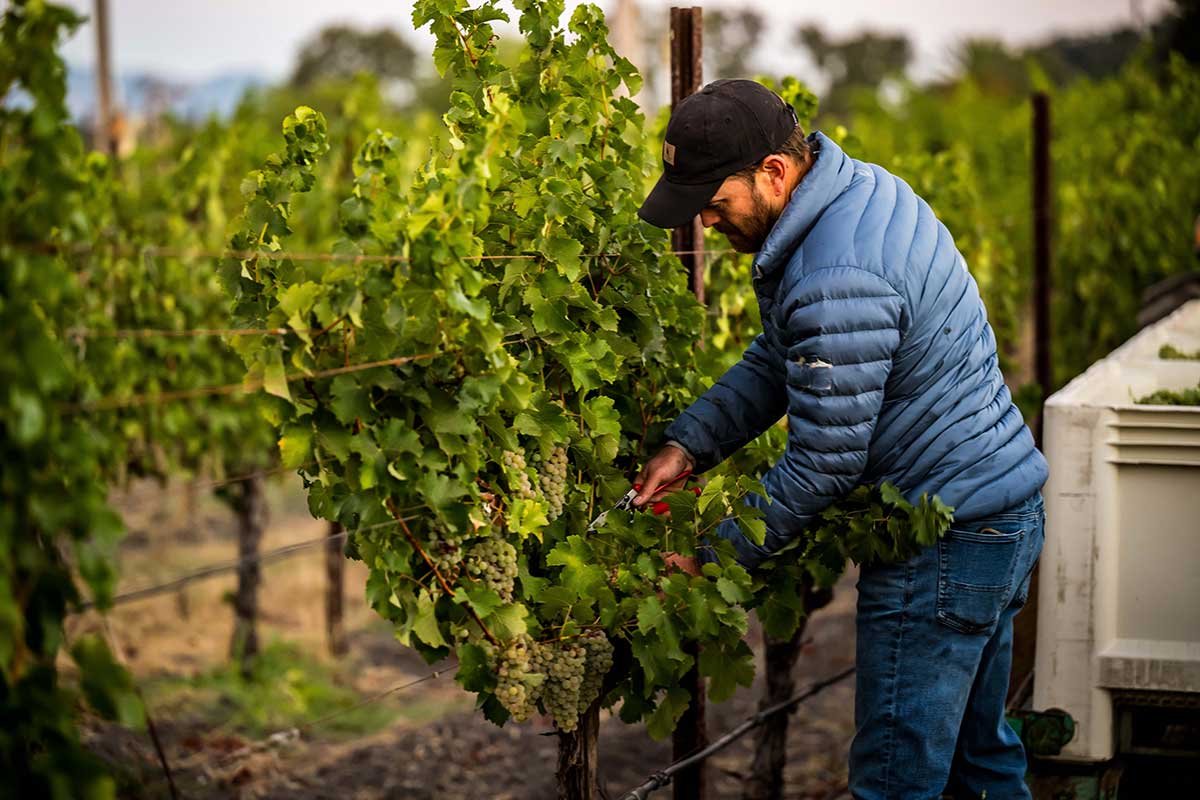
Photo courtesy of Sequoia Grove
People and Community
Sustainability is also human-centered. Fair labor practices, competitive wages, training programs, and worker safety protocols are integral parts of the equation. Many wineries extend their commitment to local sourcing for goods and services, bolstering the regional economy. Community engagement—from educational programs in local schools to land conservation partnerships—reinforces the idea that wineries are not just private enterprises but stakeholders in the valley’s collective future.
Looking Ahead
Napa Valley’s sustainability journey is still evolving. New technologies in vineyard mapping, data analytics, and precision agriculture promise even more efficient use of resources. Advances in packaging could further reduce carbon footprints. And as younger generations take the helm at family wineries, many bring a heightened awareness of climate issues and an eagerness to innovate. What remains constant is the understanding that sustainability is not a static achievement but a continuous process. Each growing season presents new challenges—and new opportunities to do better.
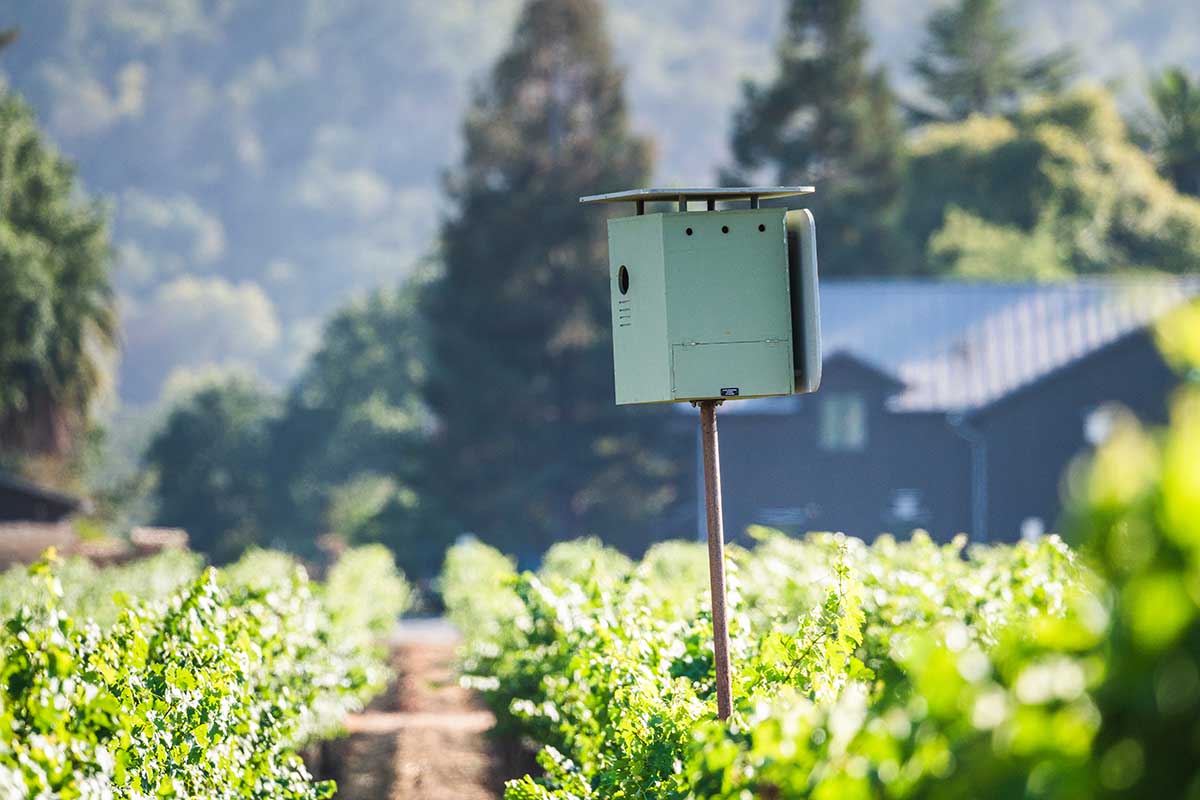
Photo courtesy of Sequoia Grove
A Shared Responsibility
Napa Valley’s wines are admired worldwide, but the region’s sustainability efforts show that its greatest achievement may be preserving the land and community that make those wines possible. Whether through cover crops in a single vineyard row or valley-wide adoption of renewable energy, the message is clear: the future of Napa depends on the choices made today.
Here, sustainability is not a marketing angle. It’s the quiet, deliberate work of ensuring that in 50 or 100 years, someone else can stand in the same early morning light, look across healthy vines, and know the land is still giving back. It’s about respecting the earth, the community, and future generations while continuing to craft wines of excellence. In the glass, that philosophy is reflected subtly yet unmistakably; the terroir tastes better when the land is cared for.
Adds Brittain, “As we work in collaboration with nature, increasing soil health, animal and plant diversity, storing carbon and reducing emissions, we create vineyards and businesses that are more resilient, and ultimately, make the highest quality wines.”