SIP + SIP Feature
Sauvignon Blanc
Bright, Balanced, Built for Food
WRITTEN BY Fran Miller
|
Published On: May 22, 2026
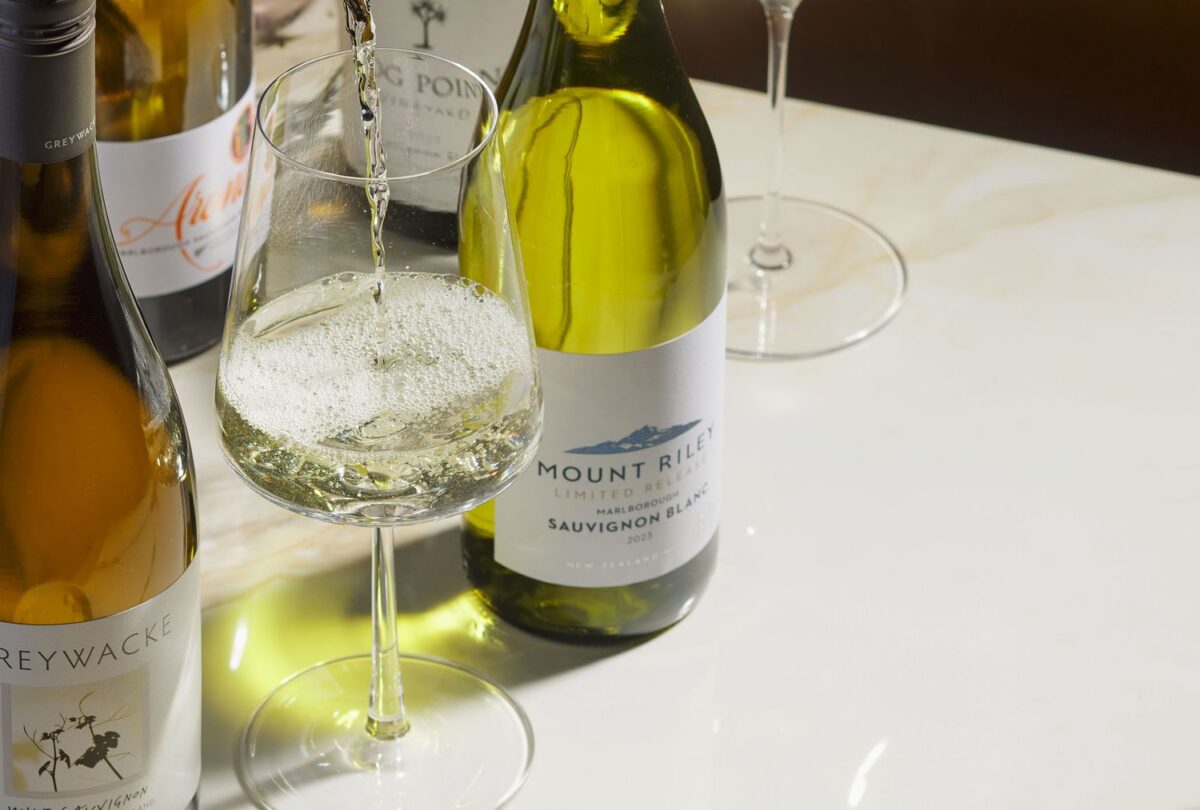
Sauvignon Blanc has a way of waking up the palate. Its zesty acidity, bright citrus, and signature herbaceous notes make it one of the most food-friendly wines around, whether served as an aperitif, alongside a light lunch, or paired with a full dinner. While many people first encounter it on a warm afternoon or with a plate of seafood, the grape’s versatility stretches well beyond a single season. From steely, mineral-driven bottlings to riper, tropical-fruit expressions, Sauvignon Blanc adapts to a wide array of dishes, making it a year-round choice.
Across the wine world, Sauvignon Blanc can appear lean and mineral, lush and tropical, or layered with subtle oak influence. That stylistic range is exactly what makes it such a valuable partner at the table. Whether paired with seafood, vegetables, poultry, or richer dishes, Sauvignon Blanc offers structure and freshness that complement food rather than compete with it.
A Brief History of Sauvignon Blanc
Sauvignon Blanc originated in the vineyards of the Loire Valley in France, where it produces some of the world’s most recognized expressions, including wines from Sancerre and Pouilly-Fumé. These wines established the grape’s reputation for brisk acidity, citrus-driven aromas, and a distinctive mineral edge. The grape also plays an important role in the white wines of Bordeaux, where it is often blended with Sémillon to bring aromatic lift and freshness to richer, more textured wines. Over time, Sauvignon Blanc spread well beyond France, finding an enthusiastic following in California. The state’s diverse climates allow the grape to express dramatically different personalities, from crisp coastal wines to fruit-forward examples grown in warmer inland regions.
Understanding the Styles of Sauvignon Blanc
Although the grape variety remains the same, climate and winemaking choices can produce dramatically different wines. Recognizing these styles helps make food pairing intuitive.
Crisp, Mineral-Driven Sauvignon Blanc
One classic expression is the crisp, mineral-driven style often associated with the Loire Valley. These wines tend to show flavors of lemon zest, lime, and green apple, sometimes accompanied by a flinty or chalky minerality. Their brisk acidity makes them natural companions for delicate foods where freshness is key.
Fresh oysters, chilled shellfish, and goat cheese all work beautifully with this style. The wine’s acidity mirrors the brightness of citrus-based vinaigrettes and balances the richness of seafood. Simple preparations such as grilled white fish with lemon and herbs highlight the wine’s precision and freshness.
Herbaceous Sauvignon Blanc
Another familiar expression highlights Sauvignon Blanc’s herbaceous side. Certain growing conditions allow the grape to develop aromas that recall freshly cut grass, green bell pepper, tomato leaf, or lemongrass. These savory notes come from naturally occurring compounds in the grape and contribute to the variety’s distinctive aromatic character.
Those green, aromatic elements often pair exceptionally well with dishes that incorporate fresh herbs and vegetables. Herb-roasted chicken, asparagus, grilled zucchini, or pasta tossed with pesto all echo the wine’s lively, garden-like freshness. In these pairings, the wine and the food reinforce each other’s flavors rather than competing.
 Fruit-Forward Sauvignon Blanc
In warmer climates, Sauvignon Blanc frequently takes on a riper and more fruit-forward profile. Grapefruit, passionfruit, guava, pineapple, and melon may appear on the palate while the wine retains its refreshing acidity. These wines often feel slightly rounder in texture and can handle a broader range of flavors.
Dishes that incorporate citrus, tropical fruit, or mild spice tend to work particularly well. Shrimp ceviche, grilled fish with fruit salsas, and Vietnamese dishes flavored with lime and fresh herbs all highlight the wine’s vibrant fruit and lively acidity. Fish tacos with avocado crema or citrus-marinated shrimp also complement the wine’s expressive character.
Barrel-Influenced Sauvignon Blanc (Fumé Blanc)
A final category introduces another layer of complexity: Sauvignon Blanc that sees some influence from oak barrels. In California, this style was first dubbed Fumé Blanc by Robert Mondavi. It is not as popular as it once was, but several wineries continue to make their own version. Barrel fermentation or aging adds texture and subtle notes of toasted almond, vanilla, or gentle smoke while preserving the grape’s natural acidity.
These richer expressions can stand comfortably beside heartier dishes such as roasted chicken with herbs, seared scallops, lobster with butter, or creamy seafood pasta. The added body allows the wine to complement richer flavors that might overwhelm lighter styles.
Why Sauvignon Blanc Works So Well With Food
Sauvignon Blanc pairs well with so many foods largely because of its natural balance. The grape’s bright acidity refreshes the palate between bites, while its aromatic intensity holds its own beside herbs, citrus, and spice. At the same time, moderate alcohol levels keep the wine lively rather than heavy. Because of this balance, Sauvignon Blanc often moves comfortably across multiple courses, and its versatility extends throughout the year. Lighter expressions shine beside spring vegetables and seafood, while richer or oak-influenced styles complement roasted poultry and comforting dishes during cooler months. For cooks and wine lovers alike, the varietal creates wines capable of adapting to many ingredients and cuisines making it one of the most reliable and adaptable companions at the table.