
Napa Varietal Series + SIP + SPECIAL FEATURES
Rosé, All Year
Versatility Makes This Varietal a Fit For Any Season and Any Cuisine
WRITTEN BY Fran Miller
|
Published On: May 22, 2026
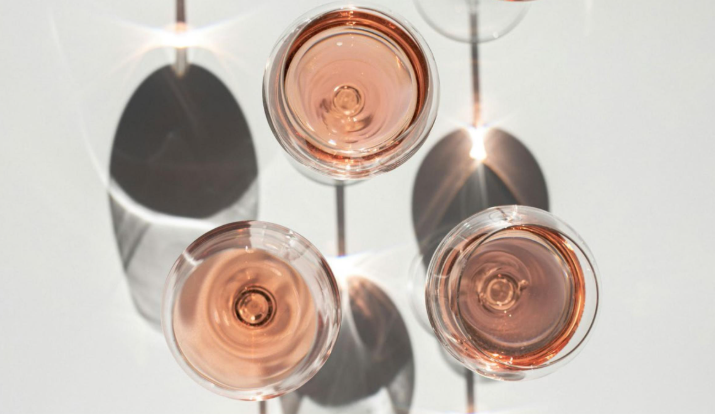
Rosé’s reputation as a “summer wine” is one of the wine world’s most persistent myths. A chilled glass beside the pool is certainly enjoyable, but the category’s range of styles makes it far more versatile than the seasonal stereotype suggests. Crisp, mineral-driven bottlings thrive alongside seafood and salads; deeper, more structured rosés stand up easily to grilled meats, charcuterie, and richly spiced dishes. For cooks and wine lovers alike, rosé offers something many wines struggle to achieve: flexibility across the table and across the calendar.
A Wine of Many Styles
Despite its singular color palette, rosé encompasses a wide spectrum of styles, shaped by grape variety, climate, and winemaking technique. Some rosés are produced through brief skin contact with red grapes before fermentation, while others use the saignée method, where juice is “bled” from red wine fermentations to concentrate the remaining wine. The result can range from pale, delicate wines to richly structured examples that drink almost like light reds. Understanding these styles makes pairing rosé with food far easier.
The Provençal Benchmark
When most wine drinkers picture rosé, they imagine the pale pink wines of southern France. The region surrounding Provence produces the global reference point for the style. Often crafted from blends of Grenache, Cinsault, Syrah, and Mourvèdre, these wines are prized for their pale salmon color, citrus-driven acidity, and subtle notes of strawberry, peach, and Mediterranean herbs.
This style shines with lighter fare. Think fresh chèvre, niçoise salad, grilled shrimp, or a platter of summer vegetables drizzled with olive oil. Roast chicken, salmon, and herb-marinated vegetables also make great partners, thanks to the wine’s bright acidity and restrained fruit. Napa producers are increasingly emulating this crisp, mineral-forward approach, particularly those working with Rhône grape varieties.
Fruit-Forward Rosé
Move away from the Mediterranean, and rosé often becomes more fruit-driven. Wines made from grapes like Zinfandel or Pinot Noir tend to display brighter berry notes like strawberry, raspberry, and watermelon, with slightly fuller texture. Pinot Noir rosé, especially those inspired by styles from Burgundy or Oregon, frequently balances bright red fruit with refreshing acidity. The result pairs beautifully with foods that bridge light and savory: tuna tartare, grilled pork tenderloin, charcuterie, or mushroom dishes.
Zinfandel rosé, sometimes labeled “white zinfandel,” historically leaned sweet, though many contemporary producers now craft drier, more structured versions. These wines complement lightly spiced dishes particularly well. Try them alongside Thai noodle salads, barbecue chicken, or glazed pork ribs.
Fuller-Bodied Rosé
Some rosés carry enough weight to function almost like a chilled red wine. Bottlings based on Syrah, Sangiovese, or Tempranillo often display deeper color and richer flavors like ripe cherry, blood orange, and spice, with enough structure to pair with hearty fare. These rosés excel with grilled meats, lamb burgers, paella, or tomato-driven pasta dishes. A Sangiovese rosé, for example, complements Italian classics such as margherita pizza or pasta pomodoro, where the wine’s acidity mirrors the brightness of the tomato. Served slightly cooler than room temperature but warmer than refrigerator cold, these structured rosés reveal surprising complexity.
Sparkling Rosé
Sparkling rosé offers yet another dimension. Made from grapes such as Pinot Noir and Chardonnay, these wines combine red berry flavors with lively effervescence. Classic examples originate in Champagne, where rosé Champagne often carries notes of raspberry, brioche, and citrus zest. Food pairing possibilities are nearly endless. Fried chicken, smoked salmon, sushi, and even potato chips work beautifully. The bubbles cleanse the palate while the red fruit adds depth. Sparkling rosé also shines at the brunch table beside eggs Benedict, smoked trout, or fresh berries.
Napa Valley’s Rosé Renaissance
While rosé historically played a small supporting role in Napa Valley, that dynamic has shifted noticeably in recent years. The valley’s warm days and cool evenings provide an ideal balance for rosé production and as a result, many wineries now treat rosé as a serious winemaking project rather than a seasonal afterthought. Producers are working with grapes traditionally associated with the region such as Cabernet Sauvignon to create dry rosés that maintain freshness while hinting at Napa’s signature structure. Others draw inspiration from southern France by planting Rhône varieties like Grenache and Mourvèdre.
Rosé at the Table, All Year Long
Rosé’s versatility ultimately comes down to balance. Bright acidity, moderate alcohol, and fresh fruit flavors allow it to move comfortably across a meal—from appetizers through the main course. A chilled Provençal-style rosé alongside spring vegetables and goat cheese feels natural on a warm afternoon. A deeper Napa rosé poured with grilled lamb or tomato-based pasta works equally well during cooler months. Sparkling rosé can anchor celebrations year-round.
That flexibility makes rosé one of the most adaptable wines in any cellar. Seasonal marketing may spotlight it in summer, yet the best bottles earn a place at the table in every season, especially when paired thoughtfully with the right cuisine.


