
SIP Feature
Fortunati Vineyards
Sustainability in Every Sip
WRITTEN BY Fran Miller
|
Published On: October 27, 2025


PHOTOs COURTESy OF Fortunati Vineyards
The name Fortunati carries a sense of serendipity. Derived from the Italian word for “fortunate,” it reflects not only the personal story of Gary and Ellen Luchtel but also the philosophy behind their wines. What began as a hobby has grown into a small but ambitious estate in Napa Valley’s Oak Knoll District, where sustainability is woven into every aspect of life among the vines.
Gary, known by his nickname “Lucky,” and Ellen, whose Italian and German heritage infuses the brand’s identity, left San Francisco to pursue the craft of winemaking full time. Since establishing their vineyard in 2003, the couple has carved out a reputation for their limited-production wines, shipped directly to clients across the country. Their unusually diverse portfolio makes their subscription program very popular. It includes Syrah, Malbec, Cabernet Franc, Bordeaux blend, Viognier, Rosé, Cabernet Sauvignon, Reserve Cabernet Sauvignon, and sourced varietals like Zinfandel from Rockpile AVA, Chardonnay (and a new Reserve Chardonnay) from Oak Knoll District AVA, and Pinot Noir from Santa Rita Hills (and a new Reserve Pinot Noir). Occasionally, they also produce a port-style dessert wine.
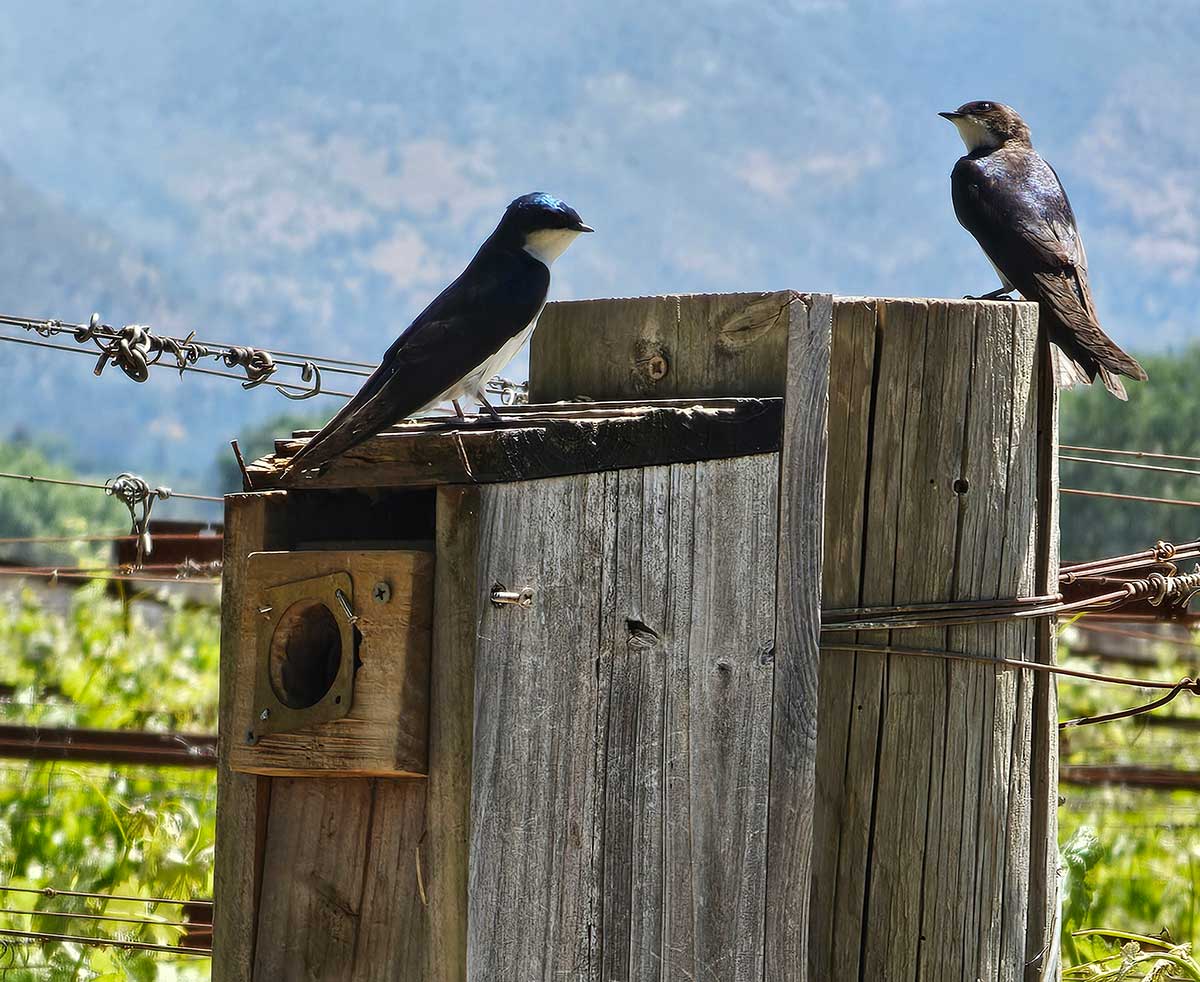
For the Luchtels, the story of Fortunati is as much about stewardship as it is about wine. Living on the property, they view the land not as a resource to be used but as a partner to be respected. Their vineyard practices are measured, thoughtful, and designed to ensure that the soil, vines, and ecosystem thrive for generations to come. Solar panels provide nearly all of the property’s electrical needs. Vineyard management is left in part to nature: western bluebirds, California quail, bats, and barn owls serve as guardians, keeping vineyard pests in check. Bird and owl boxes dot the property.
After harvest, the land is further replenished with cover crops of peas, legumes, and clover. These plantings act as natural fertilizers, enriching the soil with nutrients while protecting against erosion. In spring, the vines awaken into healthier, more vibrant growth thanks to this cycle of renewal. The Luchtels prefer a hands-off approach, allowing the vines to express the unique character of the Oak Knoll District while preserving balance in the environment. Even the tools of daily farming reflect this ethic: electric-powered carts reduce emissions and noise, a small but meaningful adjustment in keeping with Fortunati’s philosophy.

Ellen often describes the winery as “tiny,” yet its impact on both the land and its devoted wine club is significant. Production typically ranges between 100 and 350 cases per varietal, a scale that allows Gary to personally walk the rows, observe each vine, and tailor his winemaking to the subtleties of each vintage. Ellen, in turn, brings her energy to the winery’s community of customers, ensuring that Fortunati’s wines remain not only carefully crafted but also personally shared.
For the Luchtels, good fortune is not simply in the name. It is in the opportunity to care for their land, create wines of integrity, and sustain the environment that makes it all possible.