
SIP Feature
DeLoach Vineyards
Russian River Biodynamic Wines
WRITTEN BY Layne Randolph
|
Published On: October 27, 2025
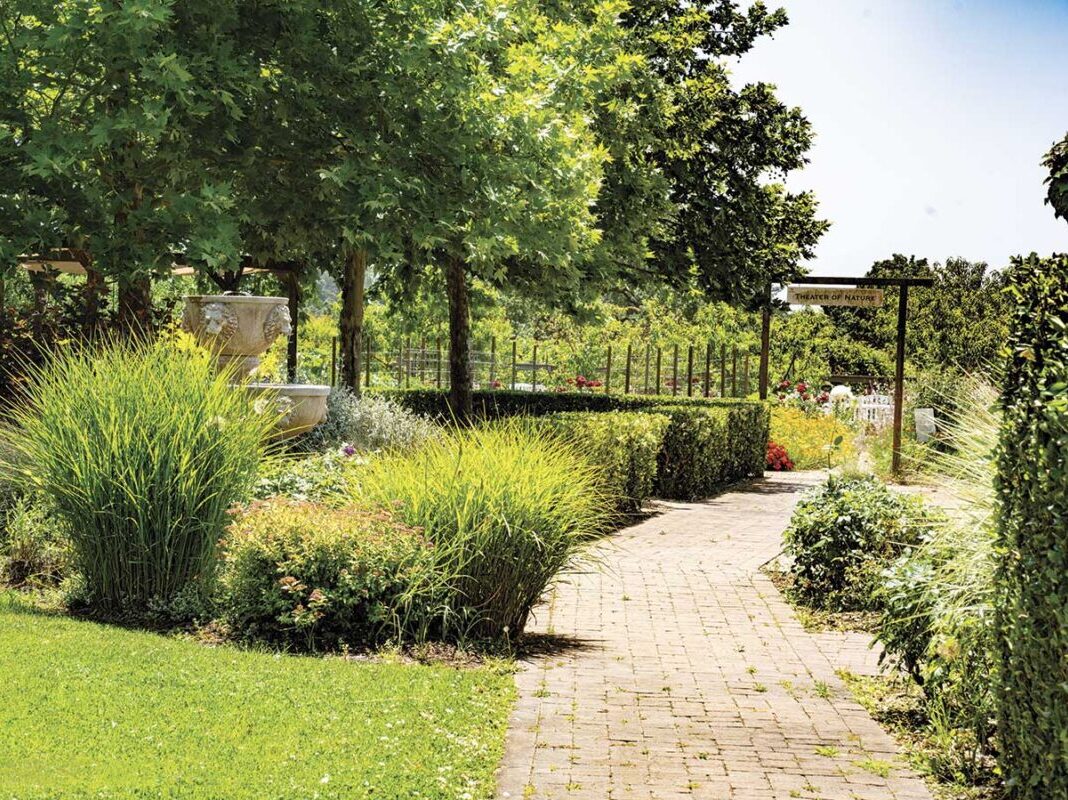
PHOTO courtesy of De Loach Vineyards
When Jean-Charles Boisset purchased DeLoach Vineyards in 2003, he replanted the estate’s vineyards and converted them to organic and biodynamic farming practices. It was a dramatic shift for a property founded in 1975 by Cecil and Christine DeLoach, who planted some of the Russian River’s first modern Pinot Noir vines. The couple were pioneers—early adopters of sustainable farming and among the founding members of the Sonoma County Winery Co-op.
Winemaker Brian Maloney was already on board when they sold the property to Boisset. “At the time, the soil was full of nematodes, which were spreading viruses and causing vine death. We plowed in safflower. Safflower has a taproot that’s really good for drying out the soil profile. We did this for about 18 months, introducing competitive microorganisms to keep the nematodes at bay. Over time, beneficial fungi would bind to the plant roots, and when nematodes tried to attack, they would hit the fungus instead, which would capture and feed on them.”
“Now, the vineyards have essentially developed an immune system. We’re not constantly fighting the same battles anymore.”
Sustainability and Biodynamics
Site sustainability extends beyond the vines and soil: solar panels generate nearly 85 percent of the winery’s energy usage. All their water is captured, treated, and reused for irrigation. “One reason we can support large grapevines is because of these sustainability measures,” Maloney explained.
“In the gardens, we have butterfly bushes, sages, rosemary—plants that bloom year-round to provide habitat for beneficial insects. Whether in the Earth and Sky gardens at the front of the property or in the rear insectary, these plantings give predatory insects a place to settle, feed, and then return to the vineyard to handle pests like leafhoppers and mealybugs.”
Biodynamics has been a crucial component of their vineyard management. “We talk about lunar cycles, but I’m more responsive to the vineyard itself. Often, it aligns with the lunar cycle, but we must also respond to the weather. This year, it warmed up early, then cooled. Initially, we left the shade on the fruit; later, we removed the leaves to expose the clusters to light, wind, and air. This helps the fruit harden off, develop color and thicker skins, and protect itself from fungal disease. If we strictly followed lunar cycles, the tasks would be the same, just timed differently. For me, lunar phases are a guideline, but the vineyard comes first.”
The Modern DeLoach Experience
The payoff has been quality consistency in wines. Since the mid-2000s, DeLoach has been named on Wine & Spirits’ Top 100 list, and critics consistently praise its site-specific Pinot Noirs. Add to that Boisset’s flair for hospitality—visible at his other properties, such as Raymond Vineyards in Napa—that has also shaped the DeLoach experience, though in a subtler, farm-focused way. DeLoach feels less like a polished tasting lounge and more like a functioning farm. Visitors can wander past grazing sheep and chicken coops, through rows of vegetables and herbs.
DeLoach celebrates its 50th anniversary in 2025, marking a milestone that reflects Boisset’s balance of heritage and innovation. It’s also an acknowledgment of DeLoach’s evolution and Sonoma County’s larger shift away from volume-driven production and toward site-specific, sustainable farming.
For more information: www.deloachvineyards.com

