
SIP
White Rock Vineyards
Napa Valley’s Best-Kept Secret
WRITTEN BY Fran Miller
|
Published On: December 21, 2025


PHOTOs courtesy of White Rock Vineyards
At the foot of Napa’s Stags Leap Range, White Rock Vineyards endures as one of the valley’s great “ghost wineries”—a historic estate that tells the story of Napa’s winemaking past while thriving in the present. Established in 1870 by Dr. John Pettingill, who constructed the winery using striking white volcanic stone quarried directly from the property, the estate was revived a century later by the Vandendriessche family. At 36 acres, it remains family-run, intimate, and devoted to quality over quantity.
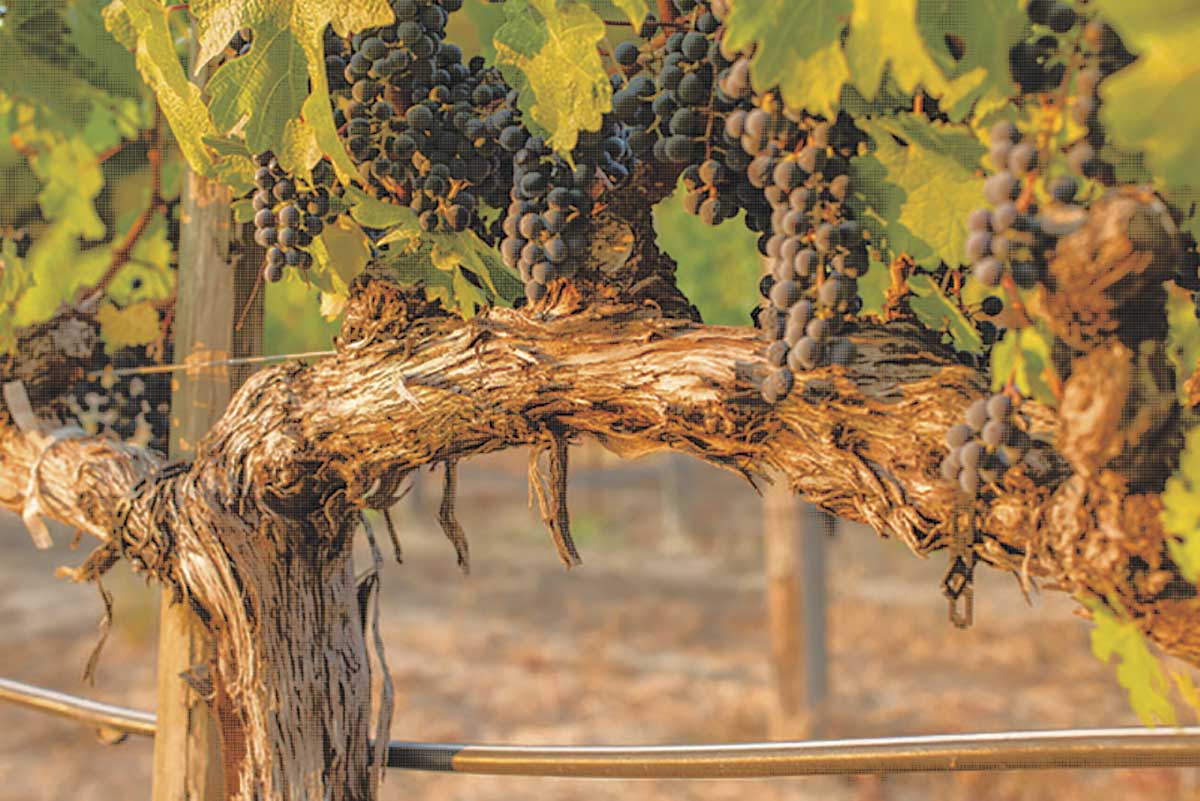
Here, vines that are 30 to 40 years old grow in white volcanic ash soils that, as winemaker Christopher Vandendriessche notes, “produce small berries that make wines of great concentration and complexity.” This quality process yields a mere 3,000 cases of estate-grown wine each year—including a classic Napa Valley Cabernet Sauvignon, a Bordeaux-style Claret, and a Chardonnay noted for its refined mineralty—all crafted with precision by Christopher, son of founders Henri and Claire.
After studying physics at UCSC and enology at the University of Bordeaux, Christopher refined his winemaking skills in Bordeaux, Burgundy, Spain, and Argentina. Today, White Rock’s wines are primarily allocated to loyal club members, though discerning diners may spot the estate’s Chardonnay on the wine lists at The French Laundry and Chicago’s famed Alinea.
Michael Vandendriessche, Christopher’s brother, oversees the vineyard. Sustainability informs his every decision: the vines are organically farmed, and all practices are designed to care for both vineyard and land. This commitment ensures that White Rock wines are not only elegant and expressive but also a genuine reflection of their Napa Valley home. Together, the brothers embody a rare balance of heritage, expertise, and passion—making White Rock’s wines both personal and enduring.
A visit to White Rock feels less like a tasting and more like a private immersion. Tastings are by appointment only, one group at a time, and last between 90 minutes and two hours. A member of the small estate team leads guests through the historic vineyards and hand-dug caves before settling beneath an old-growth oak for a seated tasting, weather permitting. Charcuterie and cheese boards from Napa’s Fatted Calf can be arranged upon request—a perfect complement to the estate’s elegant, structured wines.
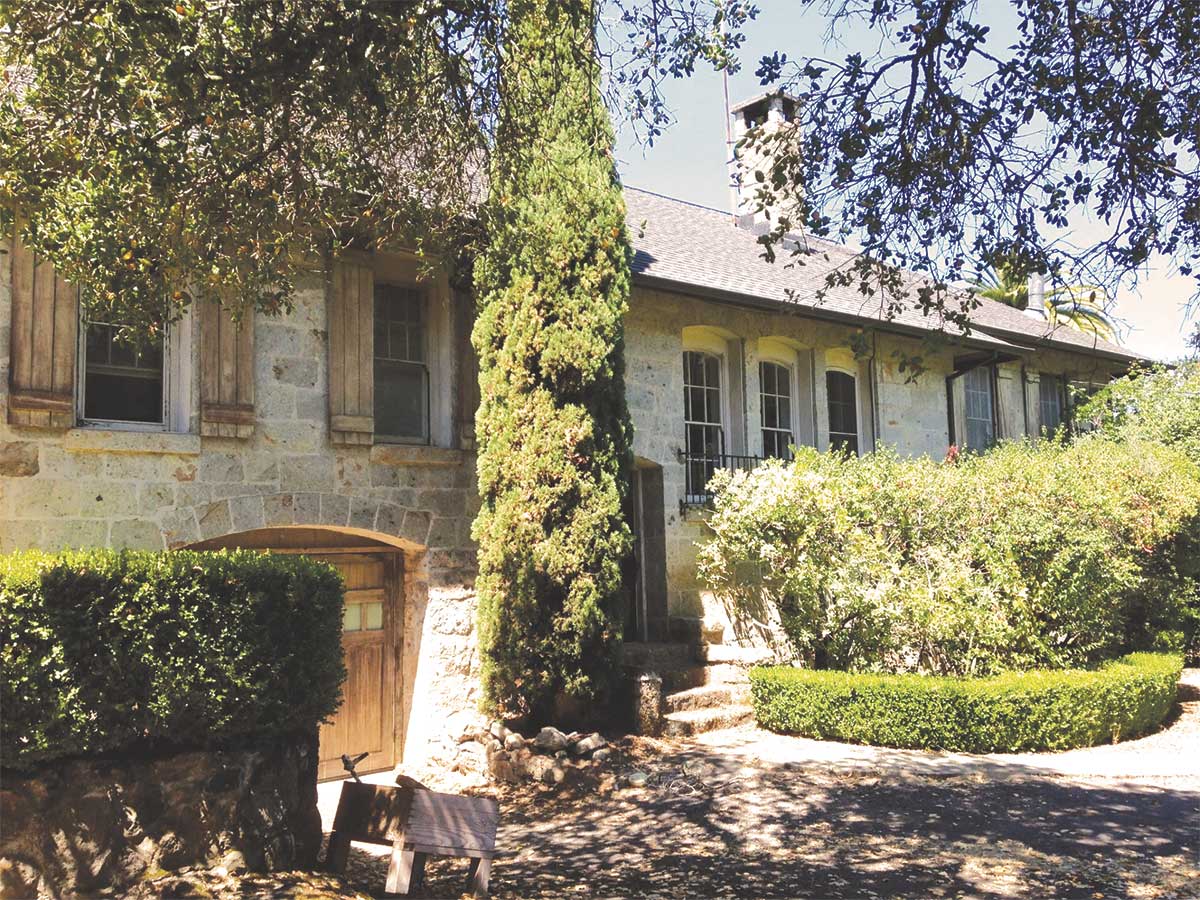
The experience is unhurried and deeply connected to the land. “We’re a bit of a throwback,” says Vandendriessche. “Intimate, personal, approachable. Guests often tell us this is what Napa wine tasting used to be like in the ’70s.”
That sense of timelessness is especially poignant considering the estate’s resilience. When the 2017 wildfires swept through the property, flames destroyed most of the buildings—but much of the wine was saved, thanks to the production facilities being safely housed in the caves. Today, White Rock is rebuilding its tasting room, continuing a family legacy guided by heritage and heart. Each bottle tells the story of land that has weathered time and fire—yet continues to yield wines of remarkable beauty.