
home featured + SIP
Stags Leap District
Grace and Power in Every Bottle
WRITTEN BY Melissa Vogt
|
Published On: January 05, 2026

Pictured above: Photo courtesy of Stags Leap Wine Cellars
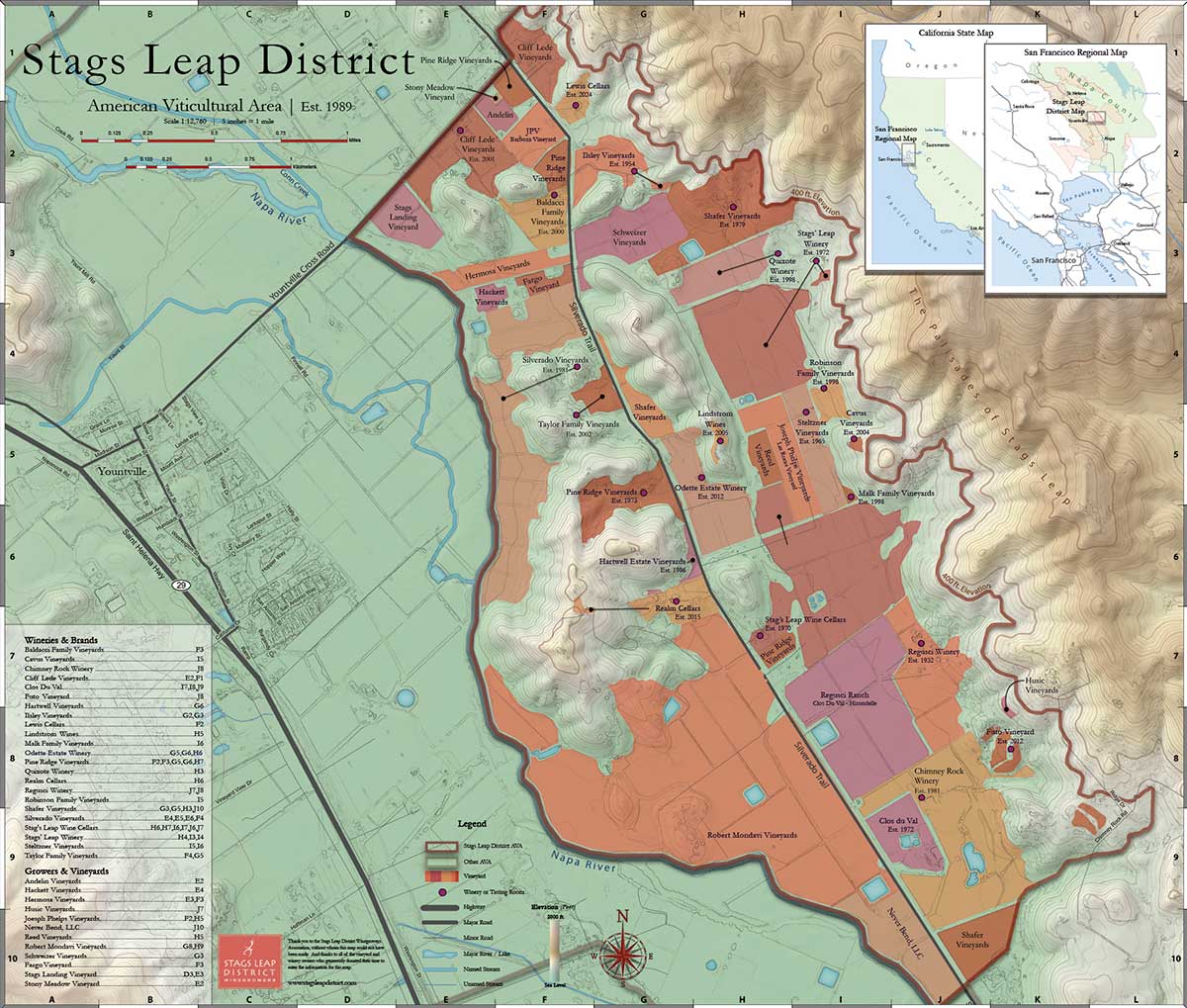
Nestled quietly between the cobalt span of the Stags Leap Palisades and the winding embrace of the Napa River lies one of the most singular corners of California viticulture: the Stags Leap District AVA. With origins deeply rooted in pioneer-era plantings and a modern reputation anchored in winemaking excellence, this appellation tells a story of terroir meeting tenacity.
Soil: The Rock-Soft Foundation
The soils of the Stags Leap District are as intriguing as the wines they produce. On the eastern slopes of the Palisades, volcanic eruptions millions of years ago left pockets of volcanic gravel and fractured shale, while the lowland valley floor holds ancient river sediments and clay-loam deposits. These coarser, well-draining soils limit vine vigor and force roots to dig deep, concentrating flavor—what locals often describe as the appellation’s “rock-soft” footprint. The result is fruit with both intensity and finesse, reflecting its rigorous upbringing beneath the sun.

Climate: Warm Days, Cool Breath of Night
Here the environment plays its own score. The bare rock walls of the Palisades absorb the afternoon warmth, raising ambient temperatures in the vineyards, while late-day breezes funneling north from San Pablo Bay usher in cooling that lingers through the night. This diurnal swing—warm days and cool nights—elongates the growing season, allowing late-maturing varieties like Cabernet Sauvignon to ripen with grace. Vineyards in the Stags Leap District often reach mid-ninety-degree daytime highs yet benefit from night temperatures cool enough to preserve acidity and elegance.
A Valley Within a Valley
The Stags Leap District AVA covers just three miles long by one mile wide—some 2,700 acres, over half of which are planted to vines. It is, in effect, a valley within a valley. The Palisades rise on one side, while the Napa River traces the other. In 1989, Stags Leap became the first American Viticultural Area (AVA) founded on a soil-based premise—its appellation identity shaped by terrain more than proximity to town or tradition. Within that modest footprint, vineyard variation is dramatic: elevations from near sea level to approximately 400 feet; an array of gravelly loams, volcanic substrates, and clay subsoils—all contributing their part.
Cabernet Takes the Lead
In the Stags Leap District, Cabernet Sauvignon reigns supreme—and for good reason. The late-ripening, thick-skinned nature of the grape matches beautifully with the long, warm growing season and the coarse soils that limit yields and concentrate flavor. The result is the signature “iron fist in a velvet glove” expression of the appellation: plush, ripe fruit and refined tannins, underpinned by graceful acidity and minerality. Alongside Cabernet Sauvignon, Merlot, Petit Verdot, Malbec, and Cabernet Franc form Bordeaux-style blends, while Sauvignon Blanc and Sémillon add brightness and counterpoint. Still, Cabernet is the grape that defined the region’s identity, shaped its sense of place, and anchored the reputations of iconic wineries such as Stag’s Leap Wine Cellars and others.
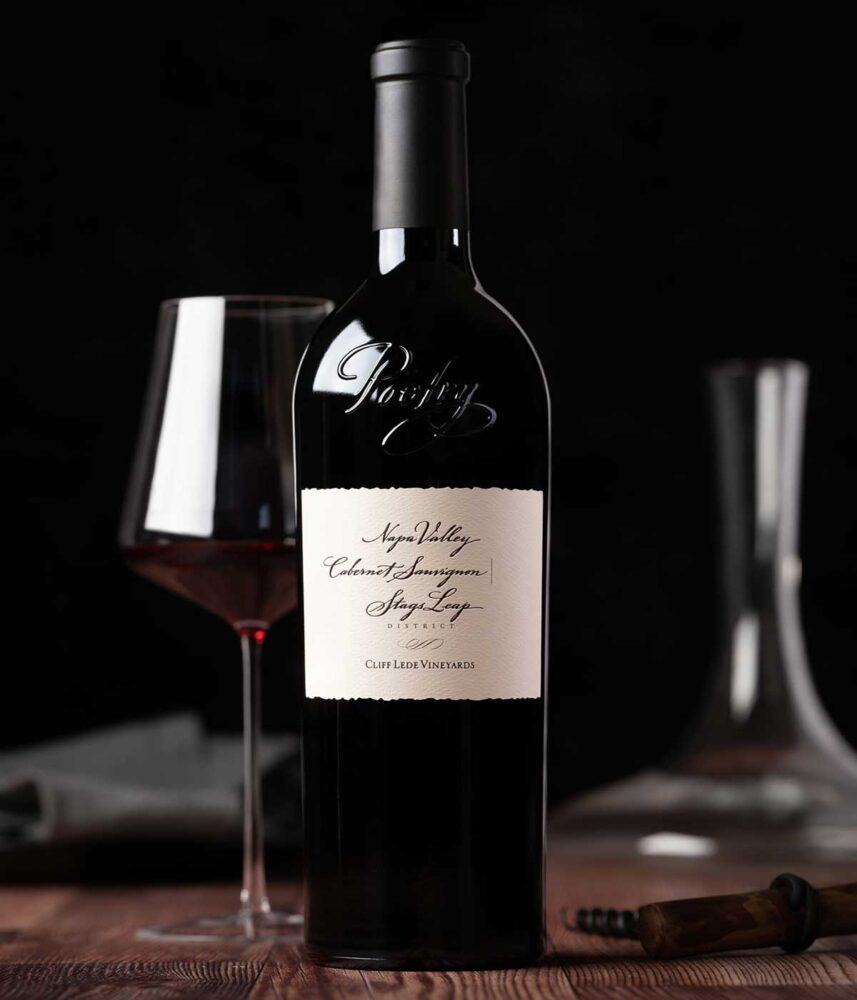
Cliff Lede Poetry // Photo by Bob McClenahan
Cliff Lede Vineyards
With a bold name and a modern vision, Cliff Lede Vineyards planted its flag in the Stags Leap District in 2002 when Canadian wine enthusiast Cliff Lede purchased sixty acres of land. From the start, the estate embraced a fusion of art, music, and winemaking—a nod to rock-and-roll energy reflected in vineyard block names such as “Poetry” and “Rhythm.”
The estate is divided between the steep hillside terraces of the Poetry Vineyard—planted on shallow volcanic soils above fractured shale—and the Rhythm Vineyard on the valley floor, where gravelly loam prevails. Cabernet Sauvignon is planted alongside Merlot, Cabernet Franc, Petit Verdot, and Malbec, all farmed with precision and low yields to maximize concentration.
For visitors, Cliff Lede offers an experience that balances spectacle with substance: a state-of-the-art winery designed by the late Howard Backen, sculpture gardens, and a tasting lounge aptly named “Backstage.” When planning a visit, book the “Poetry Experience” for an immersive exploration of the estate’s dialogue between art, music, and Cabernet—a sensorial journey through the District’s terroir.
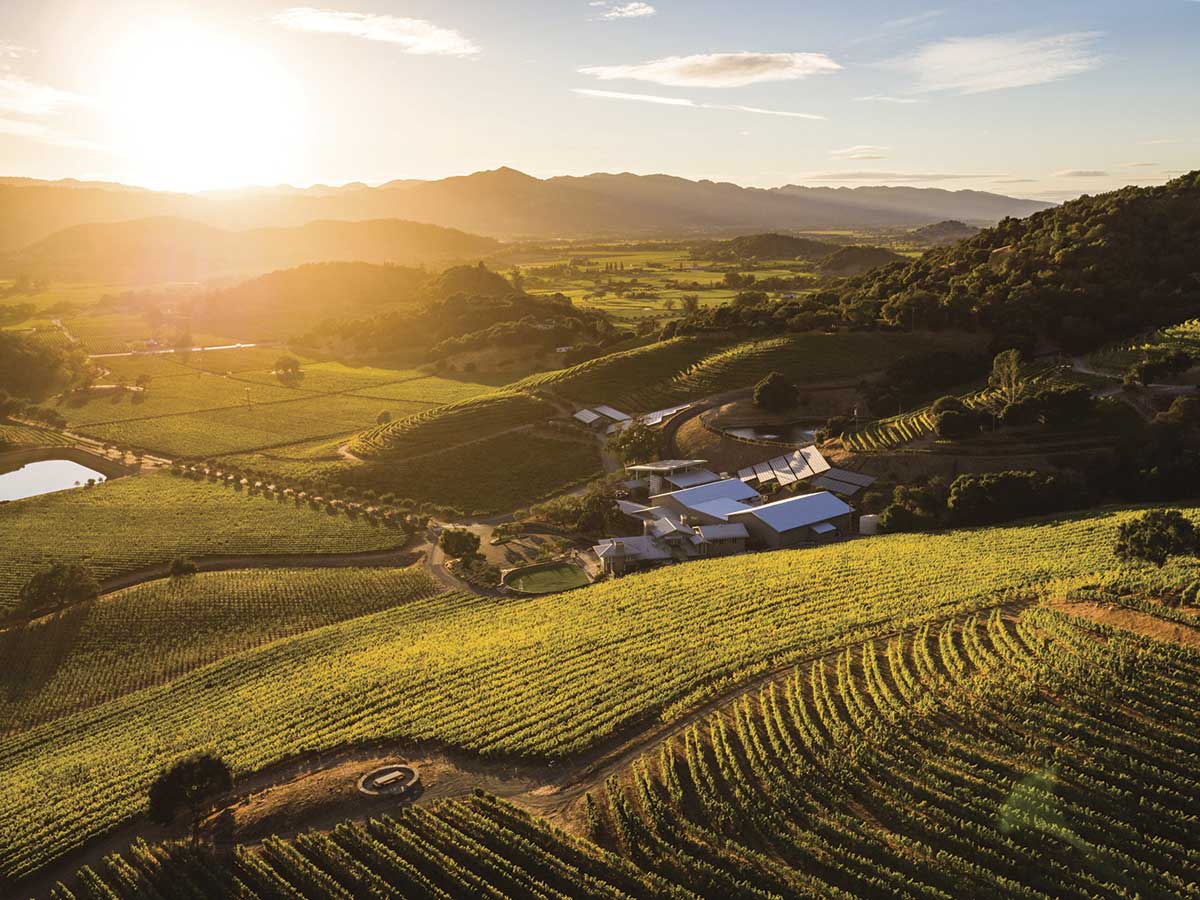
Shafer Vineyards // Photo by Bob McClenahan
Shafer Vineyards
At Shafer Vineyards, the story of Stags Leap District Cabernet carries historic resonance. The family-founded estate, rooted here since the late 1970s, farms approximately 250 acres across Napa Valley, including prime hillside sites in Stags Leap. Their signature wine, Hillside Select Cabernet Sauvignon, is widely regarded as a quintessential expression of the appellation’s plush power and disciplined elegance.
Here, the sense of place matters most: hillside vineyards of dry, rugged terrain, where vines are stressed, yields are low, and fruit is intensely concentrated. The result is wines alive with depth, richness, and the supple texture that defines the finest Stags Leap Cabernets. For wine travelers, Shafer remains a touchstone—tasting here offers not only a view of the vines but a glimpse into the soul of the appellation itself.
Stag’s Leap Wine Cellars
No discussion of the Stags Leap District would be complete without mentioning its most storied pioneer. Founded by Warren Winiarski in 1970, Stag’s Leap Wine Cellars vaulted to international fame when its 1973 Cabernet Sauvignon triumphed at the 1976 Judgment of Paris, besting some of Bordeaux’s most esteemed wines. That landmark moment placed Napa Valley—and this appellation—firmly on the world stage.
Today, the estate remains anchored in its historic vineyards: S.L.V. (Stag’s Leap Vineyard) and FAY Vineyard, the latter established by Nathan Fay in the early 1960s as the first Cabernet Sauvignon planting in what would become the Stags Leap District. The 2022 FAY Cabernet Sauvignon reveals vibrant aromas of boysenberry, black cherry, and fig marmalade, with a silky texture, polished tannins, and a dark-fruit finish—an eloquent expression of Stags Leap’s soil and climate. Visitors to the estate can relish its timeless charm, where history meets the land and the glass echoes the geology.
Power in the Palisades
In the Stags Leap District, the land matters, the climate shapes character, and the people—winemakers and growers alike—respond with elegance and respect. Though compact, the AVA encapsulates everything that defines great Napa wine: volcanic rock, ancient riverbeds, marine breezes, and hillside exposures that bask in the afternoon sun. Within this unique confluence, Cabernet Sauvignon finds its most articulate voice—plush yet structured, generous yet nuanced.
For the Napa-bound traveler, Stags Leap offers a compelling destination. The district’s wineries embrace education and terroir-driven storytelling, illuminating how geography, geology, and climate converge to create wines of depth and grace. Whether planning a leisurely weekend among the vines or embarking on a collector’s pilgrimage, the Stags Leap District rewards close attention—and, always, another sip.