
Intriguing Napa Valley
Napa Valley’s Most Intriguing 2025
WRITTEN BY Laurie Jo Miller Farr
|
Published On: December 16, 2025

The following pages contain Napa Valley Life’s 24th annual list of Napa Valley’s most Intriguing People—residents whose interesting backgrounds and stories have made them stand out in the community and who are worth getting to know.
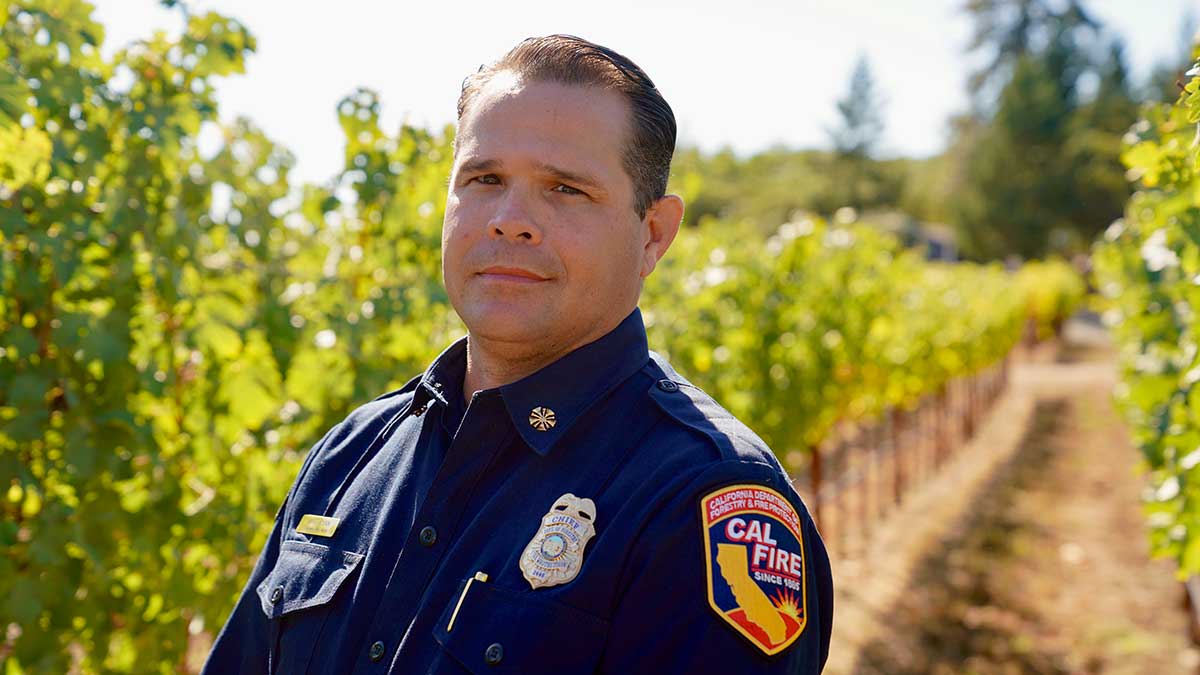
Photo courtesy of Chief Matt Ryan
Chief Matt Ryan
CAL FIRE LEADERSHIP in the Napa Valley
Steady resilience, reinforced preparedness, and year-round readiness
A lifelong resident of Wine Country, Chief Matt Ryan’s connection to the region runs deep. As Napa County Fire Chief within CAL FIRE’s Sonoma-Lake-Napa Unit (LNU), he oversees the state’s largest unit—a landscape of rugged terrain, agriculture, and heavy tourism. “Preparedness in Napa Valley is a shared responsibility. Our firefighters, partners, and residents all play a role in keeping this community safe—because readiness isn’t seasonal, it’s year-round.”
He began his 24-year CAL FIRE career in 2001 as a Firefighter I in Napa’s eastern hills before transferring to Boggs Mountain Helitack. In 2007, he became a Fire Apparatus Engineer in Yountville, joining the Napa County Technical Rescue Team and mentoring through the Napa Fire Explorer Program. He rose through the ranks—Fire Captain, Battalion Chief of Training and EMS, Assistant Chief of Central Division Operations, and Deputy Chief of State Operations—before assuming command of the unit in July 2024. He also serves as Fire Chief for the Napa County Fire Department and the South Lake County Fire Protection District.
Forged by the 2017 North Bay wildfires and the 2020 Glass Fire, Ryan’s leadership reshaped readiness across LNU: enhanced Red Flag messaging, tighter evacuation coordination with law enforcement and public works, and expanded use of wildfire cameras and advanced modeling. He places equal emphasis on long-term prevention—defensible space, home hardening, and fuels treatments around at-risk communities and agricultural lands. He’s also leveraging AI-assisted detection and high-resolution forecasting for earlier warnings and sharper situational awareness.
Candid about wildfire complexities, Ryan stresses tight coordination between aviation assets and the ground power of dozers, hand crews, and engines, along with balancing readiness in a county where public safety and a thriving visitor economy go hand in hand.
“It is an incredible honor to serve as Fire Chief in the communities I grew up in and have dedicated my career to. Every step of my journey with CAL FIRE has been rooted in the North Bay, and I’m committed to protecting the people, property, and resources that make this home,” Ryan said. From rookie firefighter to leading California’s largest CAL FIRE unit, his career reflects steady commitment to lives, communities, and resilience amid unprecedented wildfire risk.
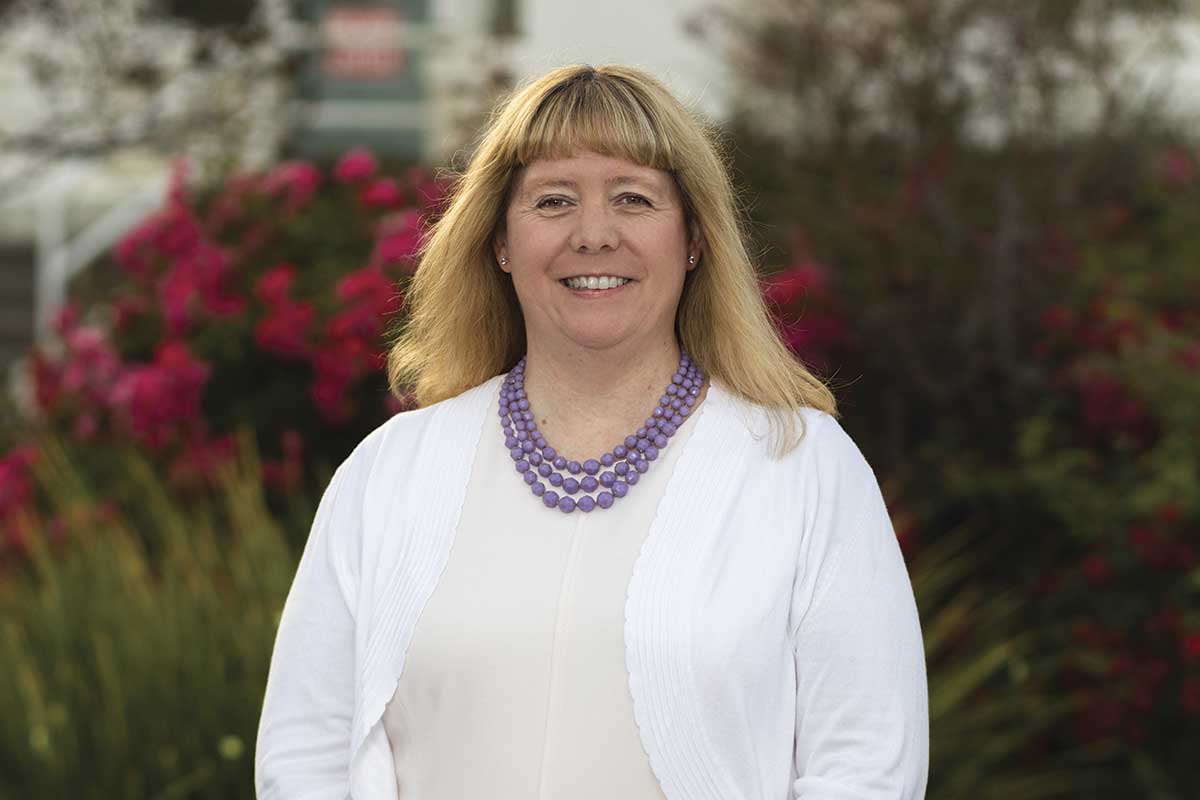
Photo courtesy of Terri Lynne Ricetti
Terri Lynne Ricetti
Executive Director of Special Education,
Napa Valley Unified School District
A passion built upon relationships produces immeasurable joy and trust
The role encompasses aligning services for students from early intervention through transition to adulthood. Ricetti coordinates a complex ecosystem—teachers, paraprofessionals, psychologists, and speech and occupational therapists—while ensuring IEP quality, compliance, and family communication. Post-pandemic learning regression, staffing shortages in high-cost regions, and the need for inclusive culture are daily realities. Ricetti’s approach stresses coaching, evidence-based practice, and community partnerships.
Her story humanizes special education—how the district scales individualized supports, integrates students in general classrooms, and measures progress beyond test scores—while also addressing funding constraints, credential pipelines, and why allied health collaboration (OT, PT, behavioral) is central to success.
In 2022, Ricetti was named the Association of California School Administrators’ Special Education Administrator of the Year for California. The peer recognition was especially meaningful as education was reimagined post-COVID.
Ricetti, a Napa High School graduate, has spent most of her career in Napa Valley Unified, serving as special education teacher, supervisor, and coordinator before becoming executive director. In this role, she has reconnected with teachers who inspired her—now colleagues—to help the children of her classmates access their education, and worked alongside her niece and nephews as teachers. “The joy and trust in the relationships that you build is amazing,” Ricetti shared.
Supporting Napa Valley has been a passion built on relationships with students, families, and staff. Reflecting on work with families from entry into the district to young adult transition, Ricetti noted, “The rewards of watching students grow over these years are immeasurable. There is nothing more rewarding than seeing students accomplish goals or meeting them later as young adults. It is the connectedness of this community that makes it truly wonderful.”
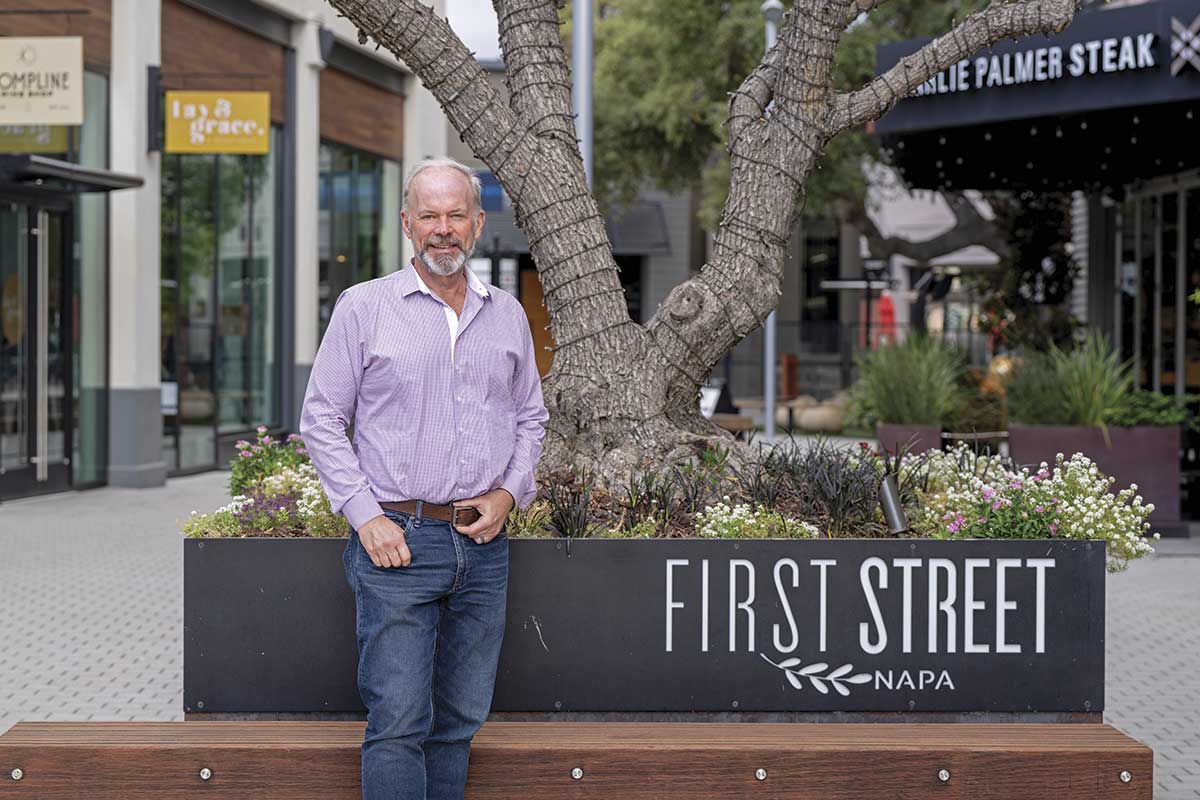
Photo courtesy of Todd C. Zapolski
Todd C. Zapolski
Managing Member, Zapolski Real Estate (First Street Napa)
Bringing a balanced, dynamic, people-centered vision to life
Todd Zapolski led the reinvention of First Street Napa, curating a downtown district that stitches together fashion, tasting rooms, public art, and independent restaurants. He talks in pragmatic terms about small-city revitalization: tenant mix, storefront design standards, seasonal programming, and the math of bringing national brands alongside beloved locals.
“Most of my real estate career has been to lead change and create value,” said Zapolski, describing a mindset that’s been put to the test in downtown Napa. Since taking on the First Street Napa project, he’s faced a series of extraordinary hurdles: an earthquake, flooding, two historic wildfires, a global pandemic, and a tripling of interest rates. “The project has been a test of resilience,” he reflects.
Still, the vision has held. Today, First Street Napa is more than a commercial development—it’s a dynamic, people-centered district designed to invite exploration. Zapolski has prioritized flexible spaces that can adapt to evolving retail and hospitality trends, creating opportunities for pop-ups, seasonal activations, and community gatherings. The tenant mix is just as intentional: a curated blend of independent boutiques, art galleries, locally loved restaurants, and national brands—all tailored to reflect the spirit of Napa while appealing to a broader audience.
“First Street Napa has had as a goal to be a diverse collective of tenants that serve the local community and are an attraction for the visitor,” he explains. That balance—between local charm and broader appeal—is core to his strategy. For Zapolski, success isn’t measured just by how many people show up but by who stays, who returns, and how well the space supports both commerce and community.
Zapolski also sees First Street Napa as a vital part of a broader ecosystem helping to make downtown Napa as memorable and dynamic as the region itself. “Being based in Raleigh on the East Coast and Napa on the West Coast gives us a unique perspective to balance markets and trends,” he says. That bi-coastal view shapes both tenant mix and long-term strategy, blending national insight with Napa-specific nuance.
For city leaders and developers, Zapolski’s approach offers a compelling case study in how placemaking and patient capital can transform a downtown through vision, adaptability, and long-term commitment.

Photo courtesy of Linsey Gallagher
Linsey Gallagher
President & CEO, Visit Napa Valley
Balancing tourism to create quality of life for residents
Linsey Gallagher leads the region’s official destination marketing organization with a mission that extends well beyond attracting visitors. Under her leadership, Visit Napa Valley works to balance economic vitality with community well-being—ensuring that tourism continues to enhance, rather than strain, this special place residents and visitors love.
Gallagher’s approach to destination marketing blends creativity, strategy, and stewardship. She oversees global brand campaigns, research on traveler behavior, and partnerships that support local businesses throughout all five Napa Valley towns. By focusing on responsible growth, she champions initiatives that encourage car-light travel, promote the valley’s arts and cultural experiences, and inspire visitation during shoulder seasons to sustain year-round vitality.
“Tourism is the heartbeat of Napa Valley’s economy,” Gallagher says, “but our work is ultimately about quality of life—for residents, employees, and guests alike.”
Her data-driven outlook measures success in more than visitor counts: metrics like length of stay, guest spend, and visitor sentiment help paint a full picture of the valley’s tourism health. She’s also a strong advocate for workforce and housing solutions, recognizing that a thriving hospitality community depends on accessible transportation and affordable living options.
Before joining Visit Napa Valley in 2019, Gallagher served as Vice President of International Marketing at the California Wine Institute, promoting the state’s wines in more than 30 countries. Her deep understanding of the intersection between wine, place, and experience continues to inform Visit Napa Valley’s storytelling—connecting travelers with the people, landscapes, and flavors that define the region.
Outside of her professional role, Gallagher is passionate about celebrating Napa Valley’s creative spirit and close-knit community. Whether attending one of her children’s sporting events, supporting sustainability initiatives, or simply enjoying a bike ride along the Napa Valley Vine Trail, she embodies the balance between professional dedication and personal appreciation for the valley’s beauty and culture.
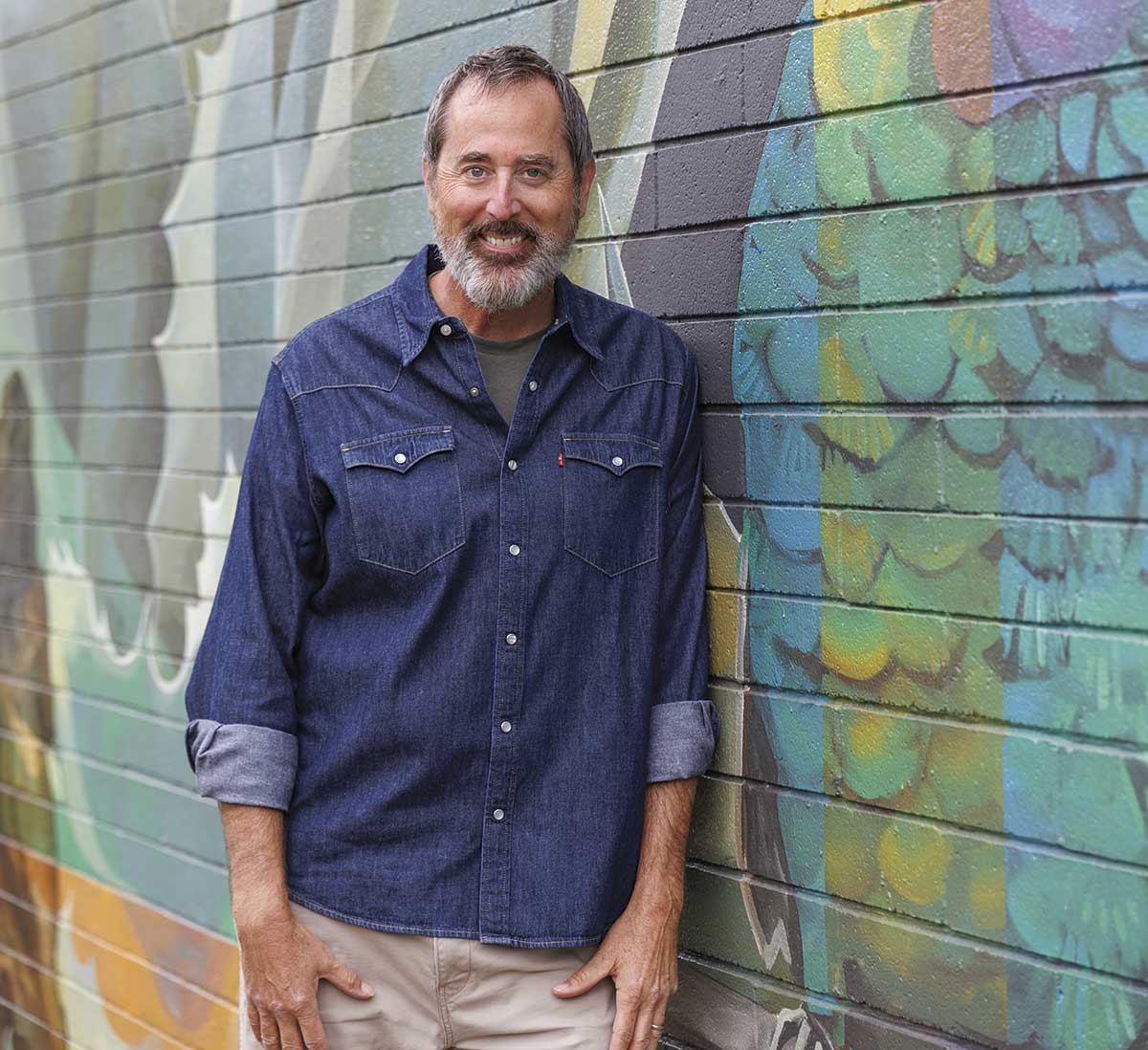
Photo courtesy of Terence Mulligan
Terence P. Mulligan
President & CEO, Napa Valley Community Foundation
Embodying a blend of vision and heart that makes philanthropy thrive
Napa Valley Community Foundation is the hub that channels local generosity into measurable impact. From the 2014 earthquake through wildfire and flood cycles, NVCF has built rapid-response muscle while funding long-term needs including scholarships, housing, immigrant legal services, and poverty reduction.
Since taking the helm in 2004, Terence Mulligan has grown NVCF from a $6 million foundation with three staff into a $100 million philanthropic leader with a team of 12.
“I’ve watched Napa Valley evolve in many ways,” he reflects. “What hasn’t changed is how deeply we care for one another. For a small community, we punch above our weight in generosity.”
Mulligan champions data-driven philanthropy, donor-advised funds, and public-private partnerships—and makes the work feel practical and inspiring. “You can’t ignore hard realities… But when you give people a way to help, they step up. That keeps me inspired.”
Launched in 2013, the One Napa Valley Initiative has enabled nearly 2,700 residents to obtain U.S. citizenship, strengthening opportunity and community ties. Another hallmark is the Sato Family Nonprofit Center, which houses NVCF and more than a dozen nonprofits; its Community Conference Center is free to local groups, fostering daily collaboration.
Outside work, Mulligan and his wife, Stephanie, are raising two children. He recharges with long walks through Alston Park and sidelines duty at his daughter’s soccer matches.
After 21 years at NVCF, Terence Mulligan continues to blend vision with heart, helping demystify how giving becomes outcomes—and reminding Napa Valley that generosity, channeled with purpose, can transform a community.
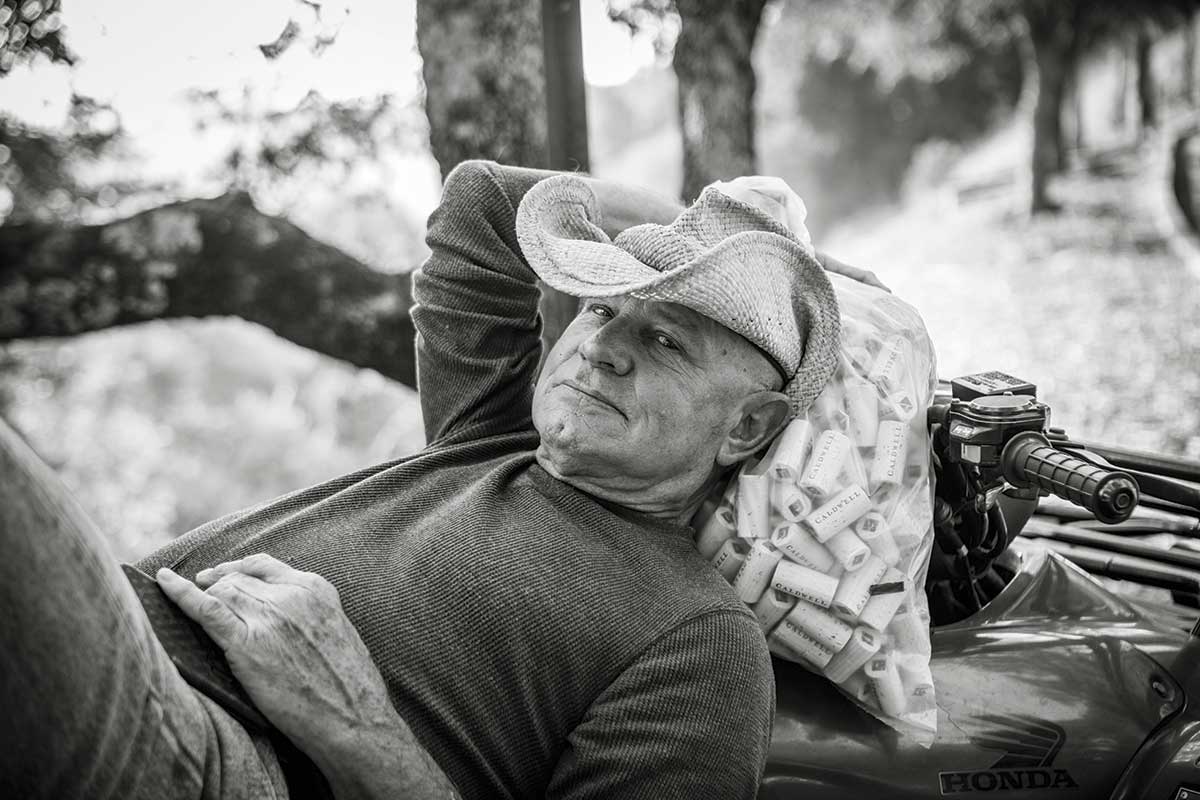
John Caldwell, Photo by Suzanne Becker Bronk
John Caldwell
Founder, Winegrower, Caldwell Vineyard
Displaying depth and breadth in an exceptional terroir
John Caldwell is a Napa original—part vintner, part raconteur—whose estate is defined by meticulous farming, in-house cooperage, and unapologetically characterful hospitality.
“Stop at nothing in the name of making great wine…” That’s the mantra John Caldwell has lived by for almost 45 years since planting the first vines in the virgin, volcanic soil of Caldwell Vineyard in 1981. This kind of history and provenance alone places Caldwell squarely in the ranks of Napa Valley legacy, but the real intrigue of John’s life’s work is the legendary story of clones, cops, and Cabernet that, in the end, helped revolutionize the foundation of modern winemaking in North America.
An estate vineyard planted to 28 clone-specific Bordeaux grape varieties, Caldwell is among the most diverse vineyards in North America, with over two dozen estate wines crafted by a 100-point winemaker and an in-house barrel cooperage.
The best way to understand the breadth and depth of Caldwell’s work is to book a visit to the winery, where one gets a sense of the exceptional terroir on the sweeping hillsides of an ancient volcanic caldera at the southernmost end of Napa Valley that defines Caldwell Vineyard. In addition, there’s the opportunity to taste a selection of Caldwell’s 12 different single-vineyard, single-variety wines side by side in a 20,000-square-foot cave carved from solid rock. A visit to Caldwell Vineyard is akin to a master class in wine, told through a story more suited to Hollywood than wine country—the likes of which is being made into a feature-length documentary called The Wine Smuggler.
“This place is my life’s work… I’m a winegrower, and that’s what I’ll do ’til the day I die. It made life more fun when I got into the wine.”

Photo courtesy of Karen MacNeil
Karen MacNeil
Author, The Wine Bible and Founder, WineSpeed
Educating through storytelling to change the narrative around wine
Karen MacNeil is the only American to have won every major wine award, and is among wine’s most authoritative voices. Author of the best-selling book The Wine Bible, she bridges knowledge with accessibility and has a relentless journalist’s curiosity.
Based in St. Helena, MacNeil teaches masterclasses, consults, and is in high demand as a keynote speaker and moderator. She also publishes WineSpeed, the go-to digital wine newsletter for both wine pros and consumers alike. To date, The Wine Bible has sold more than a million copies, making MacNeil an expert voice in the industry globally.
For Napa, she’s a mirror and a megaphone—able to explain why the valley still matters and where it needs to stretch. A feature might follow her process: tasting rigor, interviews, and the storytelling choices behind engaging wine education and activation. MacNeil is known for her creativity and content.
MacNeil is the creator of the international movement “Come Over October,” which has reached two billion consumers and is now active in more than 1,400 retail stores nationwide. Come Over October has changed the narrative around wine, reminding all of us of wine’s positive role in society as a beverage that, for 8,000 years, has fostered togetherness and friendship.
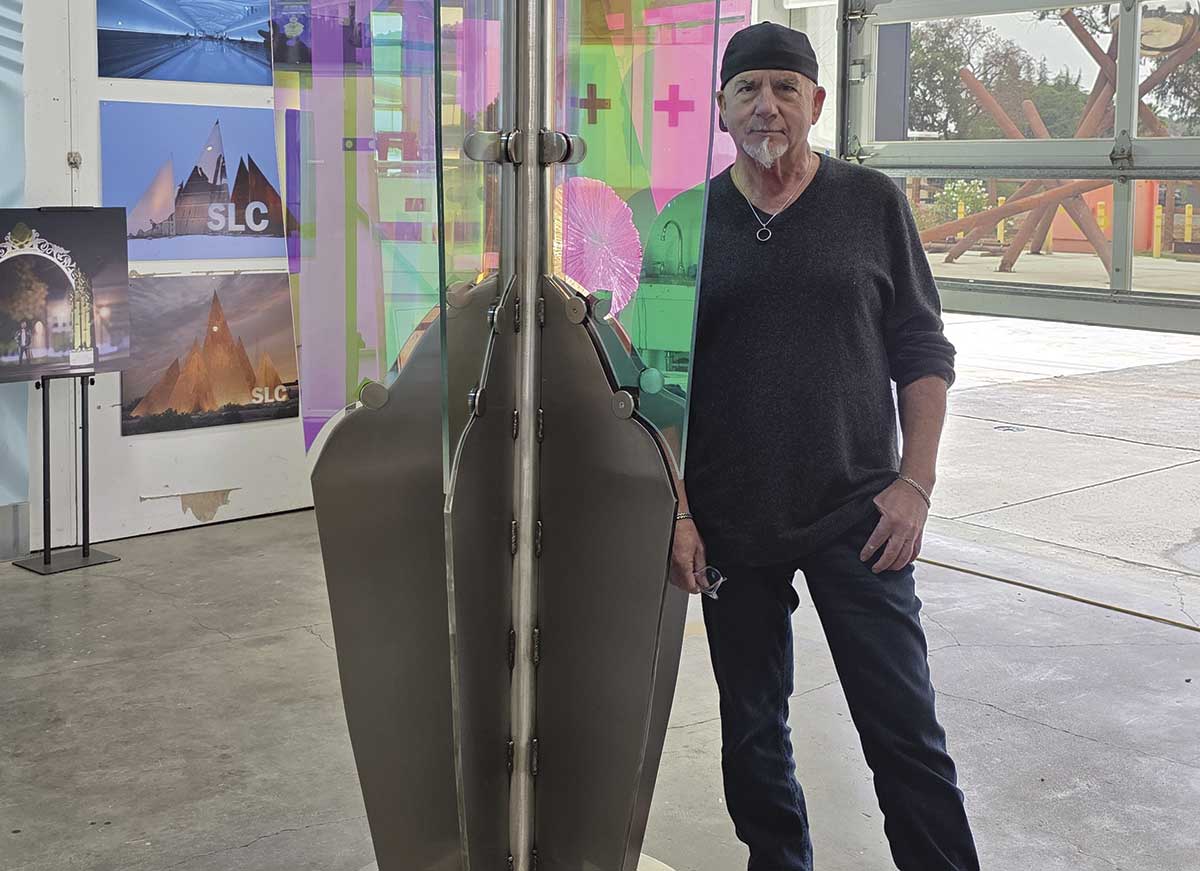
Photo courtesy of Gordon Huether
Gordon Huether
Public Artist and Founder, Gordon Huether Studio
Creative expression ties craft to community identity
Seen throughout the world, Gordon Huether’s monumental works shape how visitors experience places—from airports and hospitals to Napa’s own gateways. His studio reveals the whole pipeline: concept, materials R&D (glass, metal, light), fabrication, installation, and maintenance.
Locally, his artistic impact surrounds us. More than 20 installations in downtown Napa and wine country form a self-guided tour. Huether’s evocative 9/11 Memorial Garden, made of steel beams from the actual World Trade Center site, is illuminated by night at Fifth & Main streets. At Copia, the whimsical Bob and Margrit Mondavi rooftop sculpture titled “Is That Bob & Margrit?” salutes the legacy of great winemakers, and an 18-foot-tall stainless-steel sculpture created from 8,500 forks is a tribute to Napa’s culinary traditions. Three miles from the start of Napa’s bike trail sits Huether’s indoor/outdoor working studio for the artist’s large-scale creative expressions, open to the public.
Huether talks clearly about public art’s ROI: placemaking, wayfinding, photo moments, and civic pride. He’s also frank about commissioning processes—budgets, timelines, and stakeholder input—and how to integrate art into hospitality spaces so it elevates the guest journey rather than distracts. For a luxury audience, his story ties craft to community identity and underscores why art investment pays back in loyalty and memory.

Photo courtesy of Tor Kenward
Tor Kenward
Founder, TOR Wines, and Author
Wine, stories, and seasonal wisdom from a lifetime in Napa Valley
Tor Kenward spent decades helping to shape Napa luxury at Beringer before founding TOR Wines, a small terroir-first house sourced from benchmark vineyards including Beckstoffer To Kalon, Dr. Crane, Vine Hill Ranch Vineyard, Hyde Vineyard, Melanson, and Martha’s Vineyard. His perspective weaves history and craft: why cellar choices really matter, why single-vineyard bottlings endure, and how to maintain intimacy while serving a global collector base.
Kenward is articulate about mentorship—crediting growers and winemakers who influenced him—and about protecting site expression amid market pressure for uniformity. He notes, “Susan and I founded TOR Wines in 2001. We are 100% family-owned, as are all the vineyards we work with today.”
Reflections of a Vintner is Tor Kenward’s book recounting the lessons learned, relationships forged, and observations made from an insider’s nearly 50-year journey through the burgeoning wine industry in Napa Valley. It spans the mid-1970s, when there were fewer than 50 wineries, to the present, with about 475 physical wineries and over 1,000 wine brands.
Two key historical tastings involving Napa Valley frame the timeline of the book: the Paris Tasting of 1976 and the Judgment of Napa in 2021 to commemorate it, conceived and produced by the same organizers of the famous original event—Steven Spurrier and Patricia Gallagher—with local expert Angela Duerr.
In both blind tastings, a Napa Valley Cabernet placed number one, above red wines representing some of the world’s best. These were Stag’s Leap Wine Cellars in 1976 and a TOR Beckstoffer To Kalon in 2021. Kenward notes, “We are very proud of this, and it shaped the epilogue of the book.”
For a luxury-focused readership, he offers candor, context, and a clear case for Napa’s continuing relevance: great sites, experienced hands, and demanding customers meeting at the right moment.
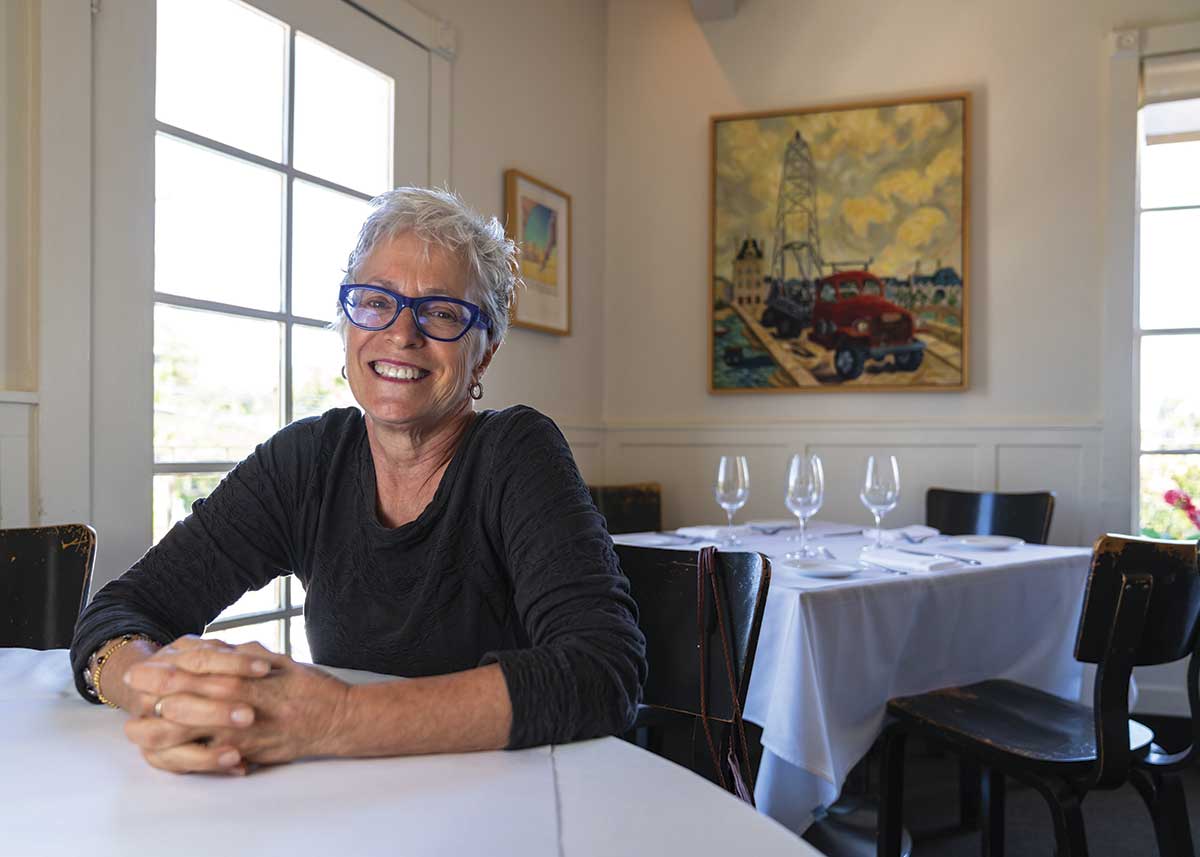
Cindy Pawlcyn, photo by Tim Carl
Cindy Pawlcyn
Chef/Owner, Mustards Grill
A love letter to Napa Valley’s roots
Cindy Pawlcyn helped write the blueprint for wine-country cuisine: seasonal, globally informed comfort food with serious wine lists and genuine hospitality. Mustards Grill remains a living institution—winemakers at the bar, families enjoying meals together, and dishes that defy fads while evolving at the edges.
Pawlcyn sums up her philosophy: “Only enough time in life for really good food,” she says. A mentor and a connector, she speaks compellingly about building supplier relationships, nurturing young cooks, and keeping a classic vibrant across decades of change. For followers, Pawlcyn offers continuity and warmth; for industry pros, tactical insight into menu development, cost discipline, and staff culture.
There’s a garden and tiny vineyard alongside the restaurant where Pawlcyn’s granddaughter is occasionally found wandering. Her personal story is also a love letter to Napa Valley’s roots: great food that welcomes everyone, paired thoughtfully with what the valley grows best.
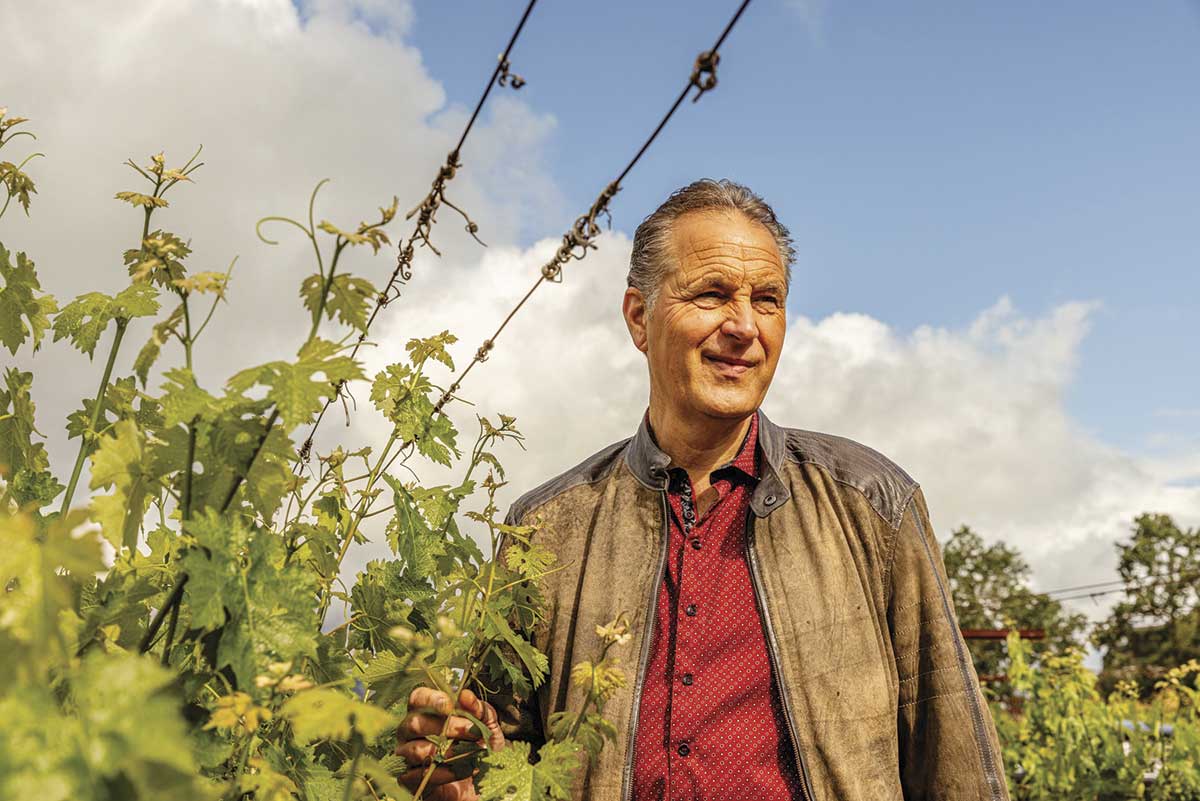
Ivo Jeramaz, photo by Nicola Parisi courtesy of Grgich Hills Estate
Ivo Jeramaz
VP of Winemaking & Viticulture, Grgich Hills Estate
A passionate advocate for regenerative agriculture
Ivo Jeramaz, nephew of Mike Grgich, is the technical and philosophical engine at Grgich Hills Estate, overseeing regenerative farming across the winery’s estate vineyards and guiding a classic, age-worthy house style. Born in Croatia and trained under Grgich, Jeramaz is a thoughtful voice on soil health, canopy management, and fermentation choices that privilege balance over brawn. He can unpack why dry farming matters in Napa, how biodiversity benefits resilience, and what ripeness means in a warming climate. For readers, Jeramaz offers a grounded blueprint for sustainable excellence that’s neither dogma nor marketing—it’s decades of observation and iterative practice applied to one of Napa’s most storied estates.
Jeramaz says, “Regenerative farming is an homage to our family’s way of farming in Croatia—we did so without pesticides and worked in harmony with nature rather than in defiance of it. In this age of climate crisis, it’s more important than ever before to embrace routines that promote biodiversity, carbon sequestration, and social equity, which is why I’m such a passionate advocate for regenerative agriculture. Our style of low-intervention, natural winemaking allows us to create wines that are the truest expressions of the land they come from. My goal as a winemaker is to allow the grapes to speak for themselves, and in doing so, convey the uniqueness of their origins through aroma and flavor.”

Photo courtesy of Kelli White
Kelli A. White
Author and Director of Education, The Wine Center at Meadowood
Critical thinking about wine and Napa Valley’s next chapter
Kelli A. White bridges roles as historian, critic, and educator. Her book Napa Valley, Then & Now, which is prized by collectors and sommeliers, remains the most ambitious single-region study of Napa’s vineyards, producers, and styles. Its pages chronicle the rise of Napa’s wine industry from its earliest days to its current glory, examining triumphs and failures along the way.
Her writing has appeared in World of Fine Wine, GuildSomm, Robb Report, Sommelier Journal, Le Pan, and Vinous, among others. In 2021, she was named a member of the Bay Area chapter of Les Dames d’Escoffier, and she currently sits on the board of directors for the Wine Writers’ Symposium.
As Director of Education at The Wine Center at Meadowood, White designs programs that help enthusiasts deepen their understanding of place, the art of winemaking, the physical enjoyment of wine, and cellar strategy. As evidenced by her latest book, Wine Confident, White is a lucid voice on the many ways a working knowledge of wine can improve one’s life. She also champions respectful, evidence-based discourse—inviting readers to taste broadly and think critically about Napa Valley’s next chapter.