
COMMUNITY
Is Napa Dead?
The Rumor, The Reaction, The Reality Check
WRITTEN BY Fran Miller
|
Published On: December 21, 2025

Photos courtesy of Visit Napa Valley // Pictured above: Napa Valley Wine Train, Photo by David H. Collier
The obituary has been written—at least in headlines. Global wine consumption is at a sixty-year low. Vineyard values in once-unshakable regions, including Napa Valley, have slipped from their pandemic peaks. Fires cast smoke across California skies with unnerving regularity. On paper, Napa looks vulnerable, even passé. And so, the question circulates in trade publications and cocktail-party conversations: Is Napa dead?
Like Bordeaux, Burgundy, or Champagne—regions that have weathered centuries of shifting tastes and market crises—Napa’s story is not so easily reduced. To walk its vineyards, dine in its restaurants, or step into its tasting rooms is to realize the opposite: Napa is not dead, but alive, adapting, and perhaps more relevant than ever.
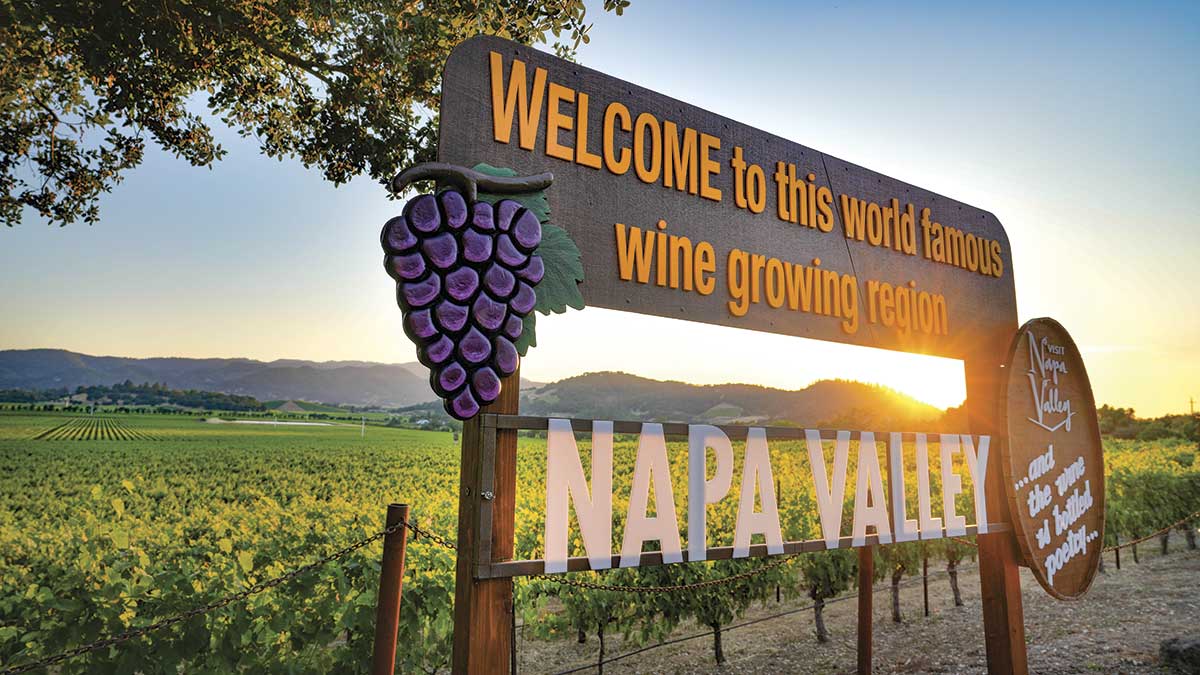
Photo by Michael Cuffe
The Case Against Napa
The skeptics have plenty of material to work with. Globally, wine is in retreat. According to the International Organisation of Vine and Wine, the world’s vineyards shrank again in 2024, slipping to about 17.5 million acres—the smallest footprint in decades. Global wine production dropped to roughly 6 billion gallons, down nearly five percent from the year before, while worldwide consumption slid to about 5.6 billion gallons. In other words, the decline is global, not regional. In the United States, per-capita wine consumption has softened, particularly among younger drinkers who increasingly reach for craft cocktails, hard seltzers, or alcohol-free alternatives.
Some of the slowdown in wine sales and visitation can be traced to forces well beyond Napa itself. The pandemic reshaped travel patterns and consumer behavior in lasting ways—from smaller group travel to shorter booking windows. Added to this are broader headwinds: economic uncertainty, evolving consumer habits, and even the national political climate, all of which influence discretionary travel and luxury spending. For Napa, that sometimes means fewer visitors booking hotel rooms and tastings or shipping cases home—not due to any lack of appeal, but because external pressures shape how people choose to spend.
Cynics point to a spate of recent closures as proof that Napa’s golden age is fading. Newton Vineyard, once a pioneering estate owned by LVMH, announced in 2025 that it would shut down permanently after years of struggling to recover from wildfire damage. Around the same time, Silver Oak’s Twomey brand closed its Calistoga tasting room after more than two decades, citing shrinking visitation and economic headwinds. Smaller players have also bowed out: Brian Arden Wines sold its Calistoga property to Aubert Wines, while downtown tasting rooms like Brendel and Tarpon Cellars shuttered after just a few years in business.
Meanwhile, land prices—long a source of wealth and security for vineyard owners—have begun to show cracks. The Financial Times reported in 2024 that vineyard values from Bordeaux to Napa were “tumbling” as investors recalibrated expectations for returns.
And then there is climate. Rising temperatures and unpredictable weather continue to exert pressure. Wildfires—now a recurring threat in California—are one symptom. The Glass Fire and LNU Lightning Complex of 2020 scorched thousands of acres in Napa County, causing millions in agricultural losses and leaving a lasting psychological toll on residents and growers. Smoke taint has become a near-annual worry, threatening grape quality before harvest.
Beyond fire damage, climate change has introduced a more insidious challenge. In Napa, the growing season now starts nearly a month earlier than it did in the late 1950s, and the final ripening weeks are more than three degrees hotter. That shift compresses vineyard work, accelerates sugar accumulation, and jeopardizes the delicate balance of acidity and flavor that defines great wine. Nighttime temperatures have also climbed, giving vines less opportunity to recover from daytime heat.
The result? Red grapes can lose color and aromatic nuance; whites can become flabby rather than fresh. For a region built on Cabernet Sauvignon’s power and longevity, these shifts raise an uncomfortable question: How long can Napa’s signature style withstand the pressure of a warming climate?
When declining demand, shifting preferences, and climate volatility are considered together, the fatalistic narrative is easy to understand. And yet, declaring Napa finished is as shortsighted as predicting Bordeaux’s irrelevance after phylloxera.
 Why Napa Is Still Very Much Alive


A Beloved Brand
For all the talk of decline, Napa remains synonymous with American wine excellence. Its name still carries weight in global markets, and its Cabernet Sauvignons anchor cellars from New York to Tokyo. The ultra-premium tier of Napa wines exists in a different economic realm—its buyers often insulated from broader economic cycles, much like Bordeaux’s first growths. Yet Napa is no longer defined by wine alone. It’s a full-fledged cultural brand. Hospitality, design, food, and wellness have become integral to its modern identity, giving the valley resilience even as drinking patterns evolve.
Scientific Expertise
Napa’s resilience is perhaps most evident on the ground, where vintners are meeting challenges head-on. “In various increments, we have been farming and reacting to climate change for at least ten years,” says Ron Haber, proprietor of Howell Mountain’s Haber Family Vineyards. “That resilience speaks to the strength of the Napa Valley farming community, backed by science and research. Like many other owners, we’re traveling and creating events in other cities, bringing new customers to our brand rather than simply hoping visitation will pick up. This is a major phenomenon.”
Just down the road, UC Davis’s renowned Department of Viticulture and Enology equips growers to meet these challenges. From breeding drought-tolerant rootstocks to pioneering smoke-taint research in its Oakville Experimental Vineyard, the university provides practical tools to safeguard vines and wines. This interplay of tradition, innovation, and scientific support is one of Napa’s great strengths.
That commitment extends to the next generation. In 2025, Wine Spectator underscored its belief in Napa’s future with a $10 million gift to Napa Valley College’s Viticulture, Wine, and Technology program—the largest in the Foundation’s history. The funds will create the Wine Spectator Wine Education Complex, featuring a state-of-the-art sensory classroom, modern lab, and public tasting room. With nearly 1,000 students already training in viticulture, enology, and wine marketing, the facilities will ensure Napa’s next generation is even better prepared.
Tourism: The Beating Heart
Tourism is a powerful counterpoint to the “Napa is dead” narrative. According to Visit Napa Valley’s latest report, the region welcomed nearly 3.7 million visitors in 2023, generating over $2.5 billion in spending.
Hotels continue to evolve. Yountville’s Bardessono Hotel & Spa reports steady bookings and rising interest. “Our brand-new Olive Suite has been very well received,” says Alain Negueloua, the hotel’s Vice President.
Restaurants are flourishing, too. Among standout newcomers: Carabao, Napa’s first Filipino restaurant, helmed by Michelin-trained Chef Jade Cunningham; Clementine in Yountville, led by Chef Rebecca Weitzman; and Capo29 in St. Helena, which is already energizing Main Street with a lively pop-up ahead of its official launch.
Calistoga is quietly becoming a hotspot. Sleek new tasting rooms—like Realm North and Maria Concetto Winery—are drawing crowds. The historic Calistoga Depot has been reimagined as a vibrant hub, while Rosewood Hotels & Resorts recently announced Rosewood Calistoga, a 118-acre resort slated for a 2027 debut.
According to Visit Napa Valley’s latest report, the region welcomed nearly 3.7 million visitors in 2023, generating over $2.5 billion in spending.
Wineries are investing forward. Del Dotto is expanding. Robert Mondavi Winery is undergoing a full rebuild, set to reopen in 2026. Opus One is remodeling its guest spaces. That same sense of momentum extends beyond Napa’s most well-known names. Over the past year, Whitehall Lane Winery’s Wine Club membership has increased by 3% and visitation has remained virtually even year-over-year, underscoring the winery’s ability to grow as consumer behavior evolves in Napa Valley. Second-generation proprietor and managing member Katie Leonardini credits this resilience to the winery’s flexible, relationship-driven approach, from allowing members to swap bottles in their club shipments to fostering a welcoming, family-like tasting room culture that prioritizes genuine connection over hard sales.
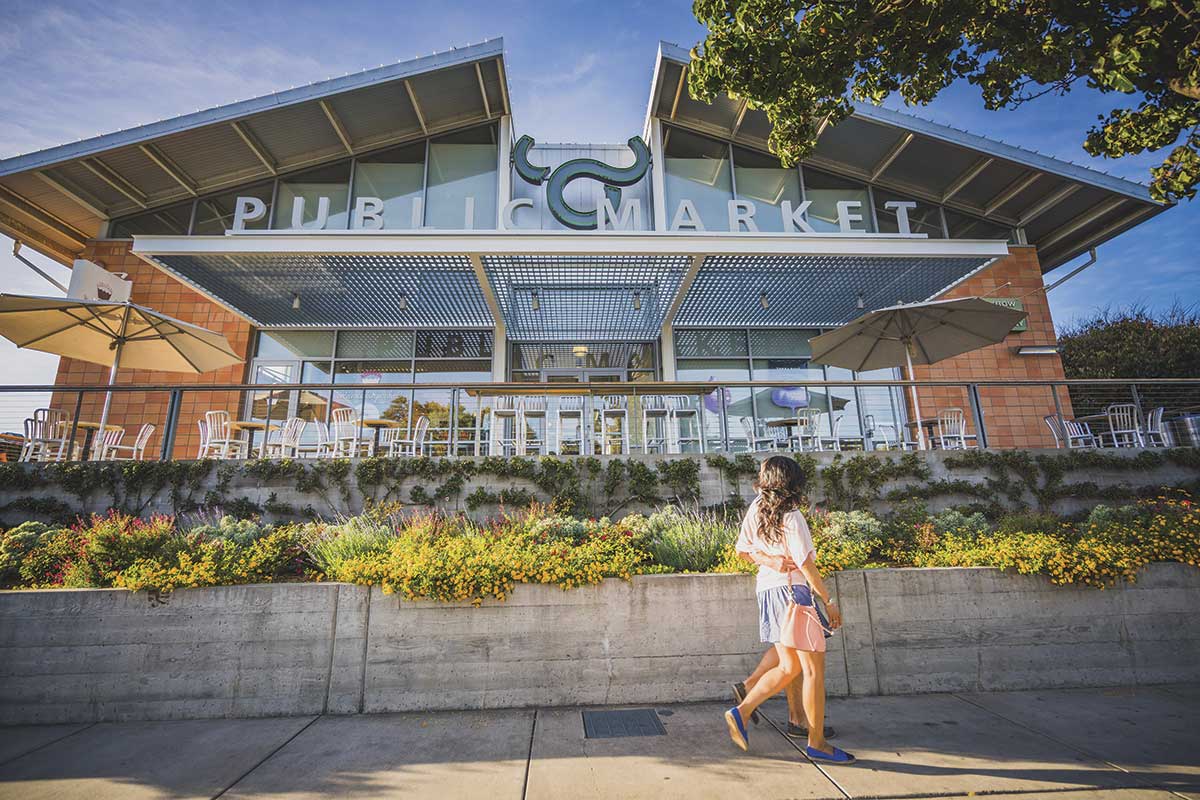
Oxbow Public Market, Photo by David H. Collier
Beyond the Vines
City developments echo Napa’s momentum. The City of Napa’s latest economic report highlights major initiatives—from the launch of the Napa Makes business accelerator to the transformation of the First Street II site into a dynamic new riverfront district with condos, restaurants, public spaces, and a hotel set to open by 2027.
“When you see cranes rising over First and Main, what you’re really seeing is confidence,” says Jeri Hansen, President and CEO of the Napa Chamber of Commerce. “This community adapts, reinvents, and endures.”
She continues: “This is a pivotal moment. Napa’s story is one of evolution—not repetition. Wine and tourism are still the heart of our economy, but we’re also growing new sectors: wellness, startups, creative industries. We’re building within what defines us, not replacing it.”

Photo by Mariana Calderon Photography for Auberge Du Soleil
The Experience Economy
Today, Napa thrives on immersive experiences. Wineries are leaning into curated, reservation-only tastings that pair wine with food, art, or wellness.
Cakebread Cellars, for example, partners with Stanly Ranch to offer Wellness and Wine—vineyard strolls, yoga sessions, and curated tastings. Sequoia Grove’s A Taste for Cabernet delivers multi-course meals paired with single-vineyard and reserve wines. HALL Wines combines wine with contemporary art, offering guided tours of its impressive collection alongside tastings.
“It’s great to see guests eager to explore our history and connect with the winemaking process,” says Juan Muñoz-Oca of Stag’s Leap Wine Cellars. “They’re not just tasting—they’re learning, engaging, and rediscovering what makes Napa special.”
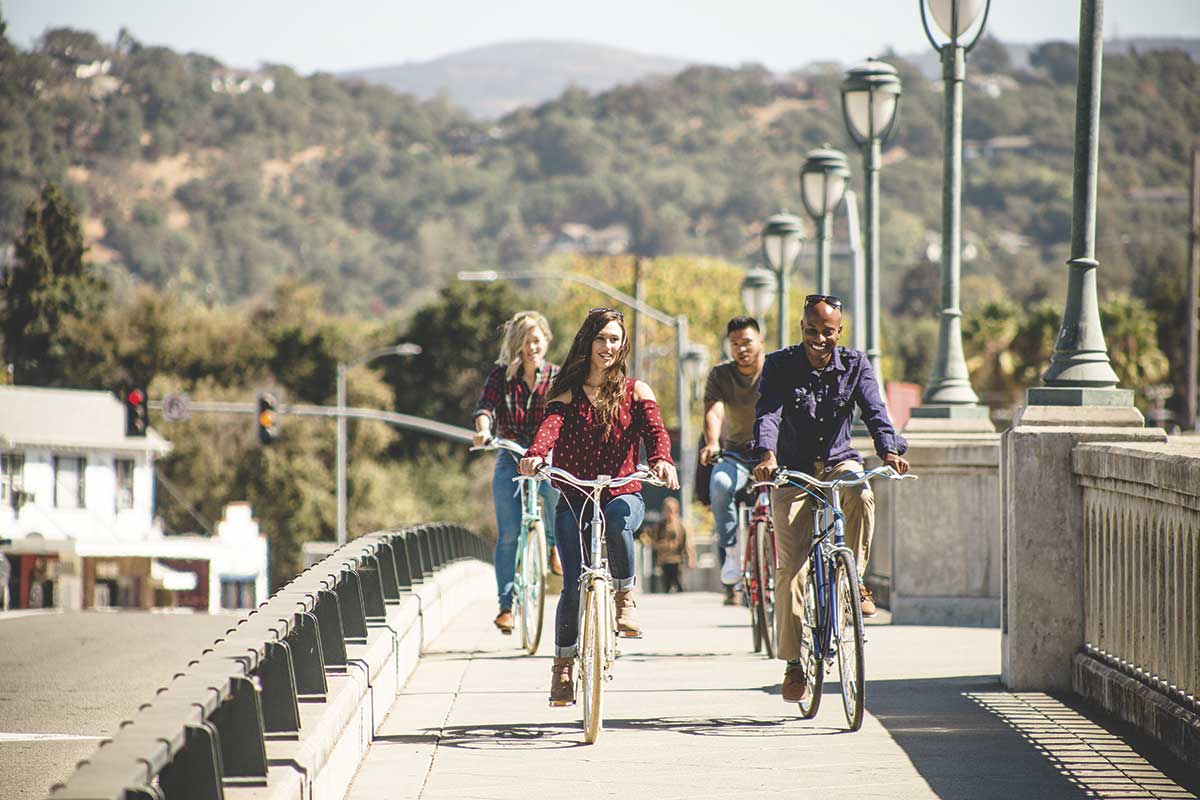
Biking Downtown Napa Riverfront
Signs of Life Everywhere
Walk downtown on a Friday evening and Napa buzzes with energy. Restaurants overflow, the Oxbow Market hums, and the Uptown Theatre hosts major events. Upvalley, resorts and Michelin-starred restaurants remain full. Community events—from art festivals to farmers markets—continue to draw locals and tourists alike.
“For decades, Napa has rebuilt itself—after floods, fires, earthquakes, the pandemic,” says Hansen. “We’ve come back stronger each time. Today, we’re growing new branches from strong roots.”
For Many Generations to Come
Napa is also leading in sustainability. Over half of its vineyard acreage is now Napa Green certified—a standard that includes carbon reduction, water conservation, and social equity. Wineries are embracing regenerative practices that resonate with younger, values-driven consumers seeking authenticity and environmental responsibility.
Lessons from Bordeaux
Bordeaux, long pronounced “in crisis,” faced overproduction, climate stress, and waning interest among younger drinkers. Yet it remains the gold standard. Like Bordeaux, Napa benefits from a reputation that doesn’t easily fade. Reinvention—not decline—is the theme.

Napa Riverfront, Photo by David H. Collier
Not Dead, Just Different
So, is Napa dead? Hardly. The valley faces real challenges, but recalibration is not demise. It’s evolution. Napa is diversifying, not retreating—building an ecosystem where wine, food, culture, and hospitality coexist and thrive.
The obituary is premature. Napa isn’t dying; it’s simply evolving.