
home featured + SIP
Ghost Wineries of Napa Valley
The Forgotten Foundations of California Wine—Then and Now
WRITTEN BY Melissa Vogt
|
Published On: January 05, 2026


Pictured above: La Jota, 1972 // Photo courtesy of La Jota
Before modern architecture, Michelin-starred restaurants, and international acclaim, Napa Valley was home to a gritty, ambitious wine frontier. In the late 19th century, pioneering vintners—many of them European immigrants—carved their dreams into the land. They built stone châteaux, gravity-flow wineries, and hand-dug caves across the valley, giving rise to a booming wine industry. By the 1890s, over 140 bonded wineries operated in Napa, each with its own story etched into stone and soil. But progress came to a halt.
What Are Ghost Wineries?
“Ghost wineries” are pre-Prohibition-era wineries—primarily built between the 1860s and 1890s—that went dormant or were repurposed due to a series of historical disruptions: the phylloxera epidemic, Prohibition, the Great Depression, and two world wars. These estates, once lively hubs of viticulture and commerce, were abandoned, fell into ruin, or were adapted for other uses. Many vanished from maps entirely.
What makes them “ghosts” isn’t supernatural lore, but their near-erasure followed by revival. These wineries were silenced for decades, then rediscovered and resurrected—some lovingly restored stone by stone, others preserved as historic ruins or reimagined for modern winemaking.
Today, Napa’s ghost wineries are the soul of the valley—living archives of ambition, survival, and transformation. Here are some of the most iconic.
13th Vineyard by CADE
Sitting on the site of the former Nouveau Médoc/Brun & Chaix winery, originally bonded in 1886, this Howell Mountain property was revived after decades of dormancy. Now known as CADE’s 13th Vineyard, it continues to honor its ghost-era roots in a mountain setting.
AXR Napa Valley (V Madrone)
Built between 1883 and 1887, this site served as a winery, roadhouse, and saloon. Revived first as V Madrone and now as AXR, it showcases original stonework and historic vineyard blocks in a quiet corner of St. Helena.
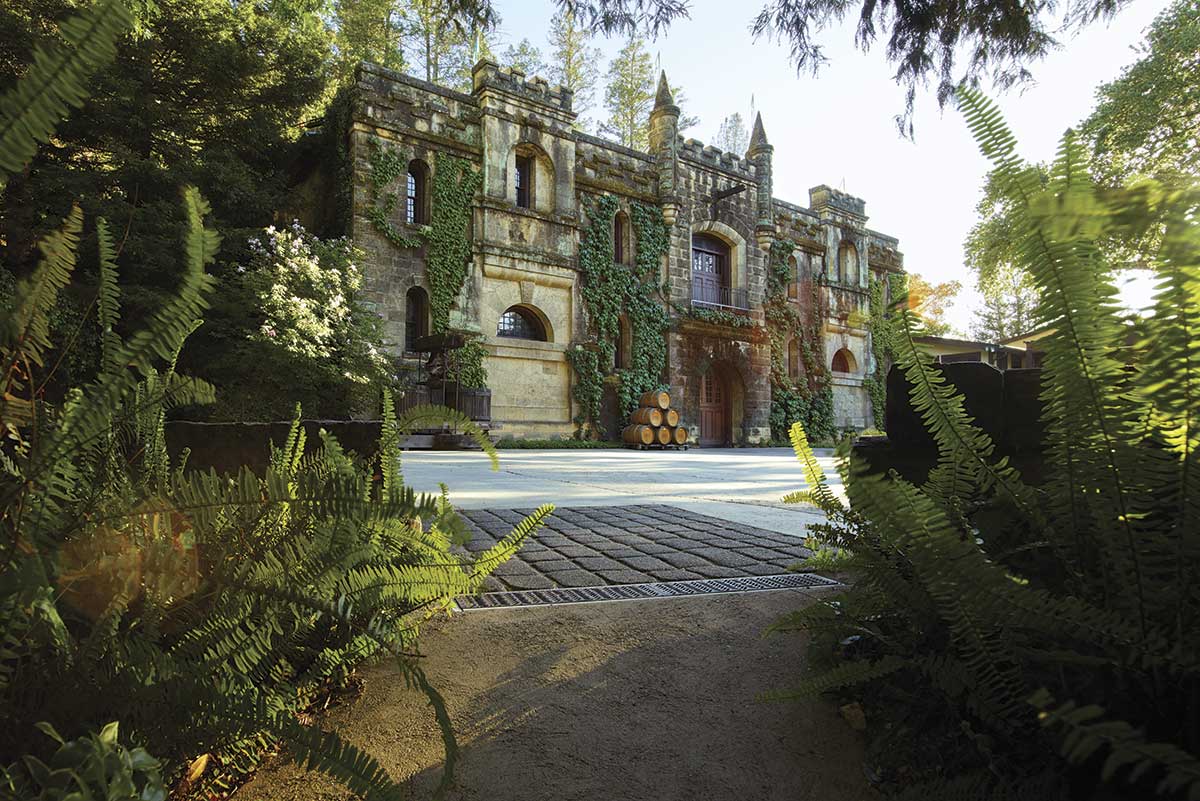
Photo courtesy of Chateau Montelena
Chateau Montelena
Built in 1882, the A. L. Tubbs Winery was largely dormant for much of the 20th century. Its resurrection in the early 1970s led to one of Napa’s most pivotal moments: the 1973 Chardonnay that won the Judgment of Paris, elevating both the winery and the valley to global prominence.
Conn Valley (Franco-Swiss Winery ruins)
Founded in 1876, this now-ruined stone winery east of St. Helena stands as one of Napa’s last unrestored ghost properties. Though inaccessible to the public, its remains offer a haunting reminder of Napa’s lost architecture.
Culinary Institute of America at Greystone
Originally built in 1889 as a massive cooperative winery, Greystone endured economic downturns and long dormancy. After serving as the Christian Brothers Winery, it became a culinary campus that now celebrates both food and the valley’s winemaking heritage.
DANA Estates (Helms Vineyard)
This 1883 Rutherford site fell into ruin post-Prohibition. In the 2000s, DANA Estates revitalized the original stone walls and created a minimalist winery that respects the past while embracing sleek, modern design.
Del Dotto Historic Winery & Caves
Hand-dug in 1885, the stone caves of the original Hedgeside Winery were rediscovered and restored by the Del Dotto family. Today, they offer a rare underground glimpse into Napa’s pre-Prohibition winemaking infrastructure.
Ehlers Estate
Built by Bernard Ehlers in 1886, this stone winery faded from memory before being revived with a philanthropic mission. The restored structure remains true to its original design, showcasing timeless 19th-century symmetry.
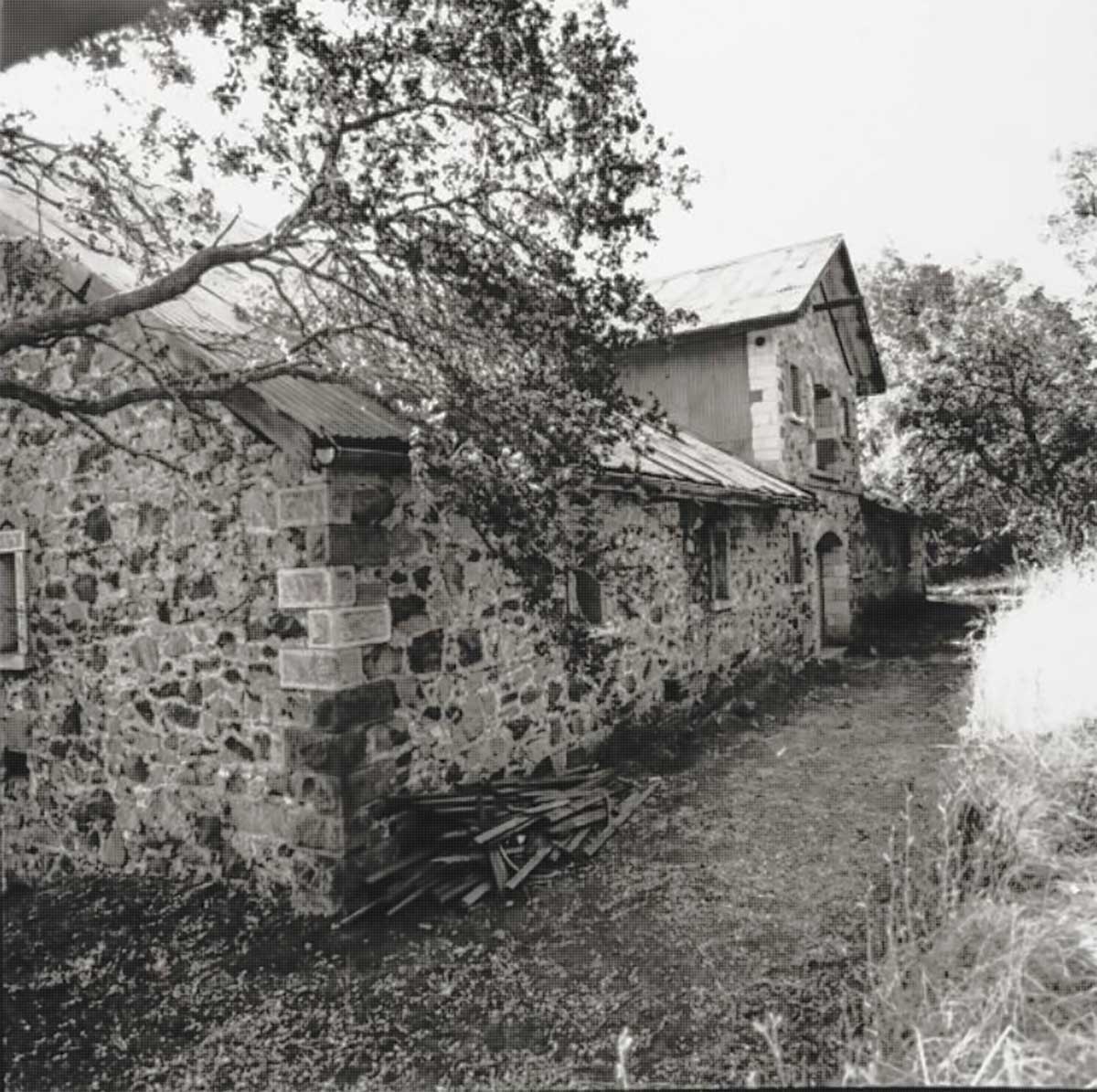
Far Niente,1972 // Photo courtesy of Sonoma County Library
Far Niente
Designed by famed architect Hamden McIntyre in 1885, Far Niente operated until Prohibition shuttered its doors in 1919. The estate sat abandoned for sixty years until a meticulous restoration in 1979 brought it back to life. Today, it stands as a benchmark for elegance, legacy, and Napa’s architectural revival.
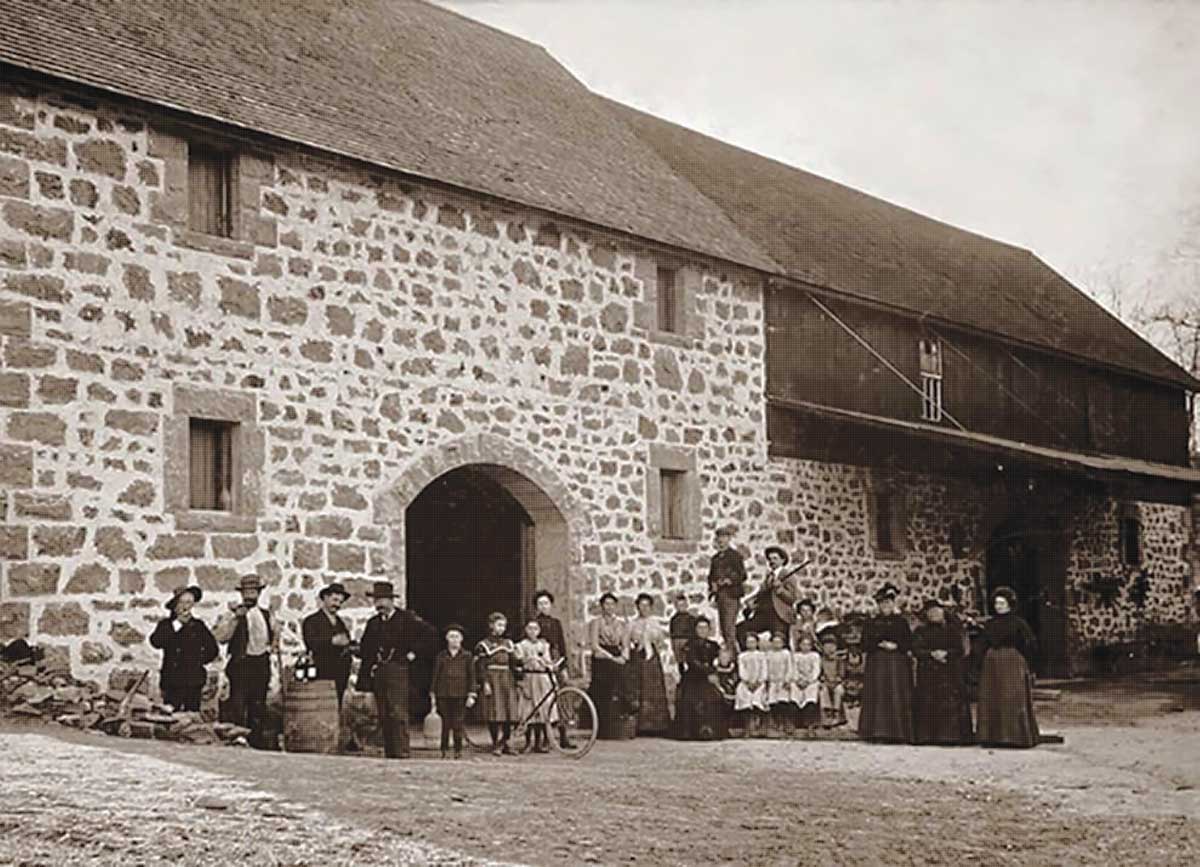
Freemark Abbey, 1898 // Photo courtesy of Freemark Abbey
Freemark Abbey
Originally founded as Tychson Cellars in 1886 by Josephine Tychson—Napa’s first female winery owner—this estate changed hands and names before reemerging as Freemark Abbey in 1939. Its wines gained international acclaim in the 1976 Judgment of Paris, marking a triumphant return from ghost status.
Frog’s Leap (Red Barn)
The Red Barn, part of the original Adamson Winery estate built in 1884, reflects a revival of pre-Prohibition charm. Abandoned and repurposed over time, it was transformed by Frog’s Leap in the 1990s into a symbol of sustainable winemaking and historical stewardship.
HALL St. Helena (Bergfeld)
Built in 1885, the original Bergfeld stone winery languished after Prohibition but was later restored as part of HALL’s modern estate. The historic building now anchors a property where 19th-century craftsmanship meets contemporary winemaking innovation.

Photo courtesy of Inglenook
Inglenook
Founded in 1879 by sea captain Gustave Niebaum, Inglenook was a model of innovation in early Napa winemaking. After years of fragmentation, the Coppola family restored the estate, returning it to its original name and prestige.
La Jota
Founded in 1898 atop Howell Mountain, La Jota’s rugged stone winery endured decades of inactivity before its revival. The estate now produces bold, age-worthy Cabernet Sauvignon that reflects the legacy of mountain viticulture.
Napa Wine Company
Built on the site of the early Oakville winery operated by Brun & Chaix, this estate retains its original footprint. Though now functioning primarily as a custom-crush and production facility, its legacy as one of the region’s earliest wine operations lives on.
Regusci Winery
Dating back to 1878, this stone winery on the historic Grigsby Ranch sat dormant for decades before being revived by the Regusci family. The restored building and vineyards offer a window into Stags Leap District’s earliest agricultural heritage.
Spring Mountain Vineyard
This historic property combines three 19th-century wineries—La Perla, Miravalle, and Chevalier—into one estate. Dormant for much of the 20th century and damaged by wildfire, it remains a symbol of Spring Mountain’s layered wine heritage.
Stags’ Leap Winery
First developed in the 1890s as a luxury estate and winery, Stags’ Leap fell silent during Prohibition. Later owners revived both the vineyards and the grand stone architecture, offering a glimpse into the valley’s early ambitions.
Trefethen Family Vineyards
Housed in a rare 19th-century wooden gravity-flow winery built in 1886, the Trefethen estate was revived in the late 1960s. The family’s commitment to preserving original architecture and producing elegant wines turned a forgotten structure into a beacon of Napa restoration.
White Rock Vineyards
This hillside estate began in 1870 but was abandoned after Prohibition. In 1977, the Vandendriessche family brought it back to life, preserving its stone cellar and focusing on small-lot winemaking rooted in volcanic soils.
A Final Toast to Napa’s Ghosts
Ghost wineries are more than relics—they are the bones of Napa Valley’s identity. These weathered châteaux, caves, and cellars tell stories of ambition, adversity, and rebirth. In sipping their wines, visitors taste more than terroir—they taste the enduring spirit of a region built on second chances.
For more information sonomalibrary.org